

Weight Exercise Equipment Guide for Smarter Training

Strength training has become a cornerstone of fitness and wellness programs worldwide, with the right weight exercise equipment serving as the foundation for building muscle, improving bone density, and enhancing overall health. Whether you're setting up a home gym or refining your training regimen, understanding the landscape of available equipment helps you make informed decisions that align with your goals, space, and budget. From traditional barbells to modern resistance systems, the variety of options available in 2026 offers something for every fitness level and training philosophy.
Understanding the Core Categories of Weight Exercise Equipment
Weight exercise equipment falls into several distinct categories, each offering unique advantages for different training goals and experience levels. Free weights remain the gold standard for functional strength development, while machines provide guided movement patterns ideal for beginners or targeted muscle work.
Free Weights and Their Training Benefits
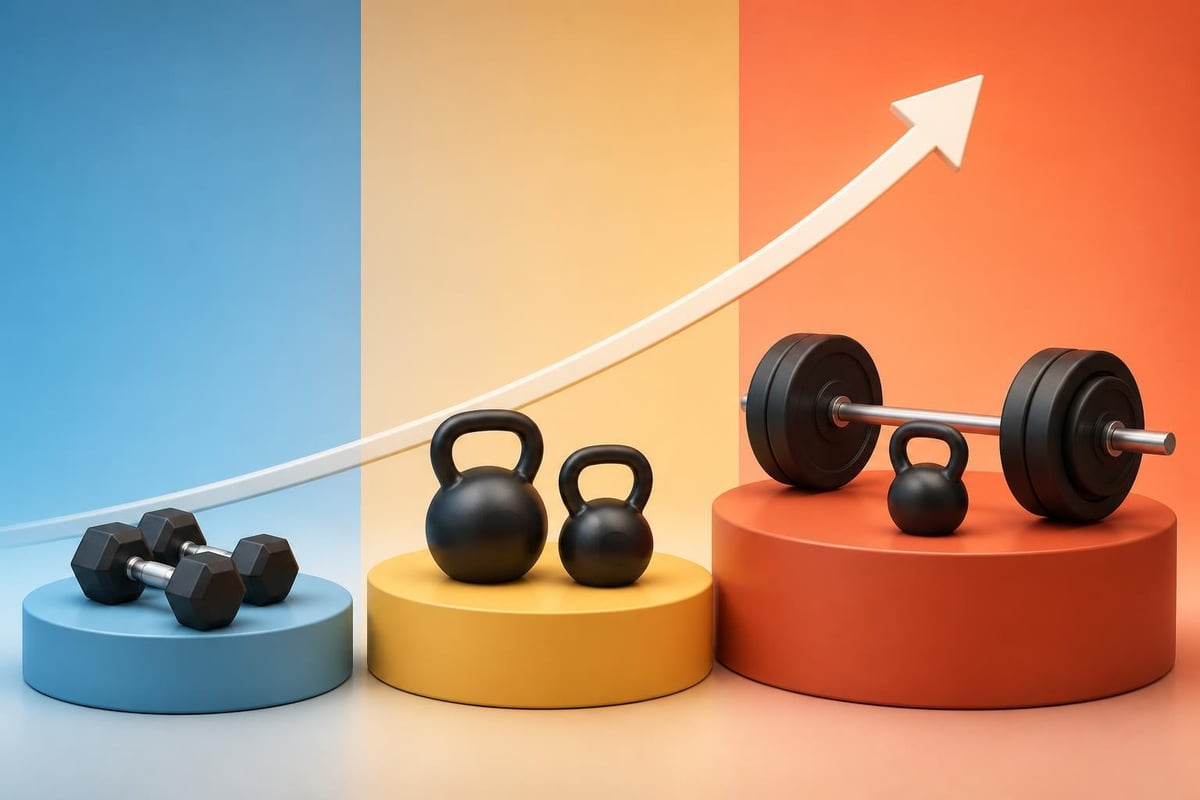
Free weights encompass dumbbells, barbells, kettlebells, and weight plates that require the user to stabilize and control the load throughout each movement. This category of weight exercise equipment challenges not only primary muscle groups but also the stabilizing muscles that maintain posture and balance. Research comparing different equipment modalities shows that free weights versus machine-based training produces distinct adaptations, with free weights generally requiring greater coordination and engaging more muscle mass per exercise.
Key advantages of free weight training include:
- Natural movement patterns that mimic real-world activities
- Enhanced core engagement during compound exercises
- Scalability from beginner to advanced levels
- Space efficiency for home gym setups
- Cost-effectiveness compared to machine systems
The versatility of free weights makes them essential for anyone serious about strength development. A quality strength training device can serve multiple functions across dozens of exercises, maximizing your investment while minimizing storage requirements.
Resistance Machines and Guided Training Systems
Resistance machines use cables, pulleys, weight stacks, or pneumatic systems to create controlled resistance along predetermined paths. This type of weight exercise equipment excels at isolating specific muscle groups and providing consistent tension throughout the range of motion. For those new to strength training, machines offer a safer entry point with reduced injury risk compared to free weights.
Modern resistance systems have evolved beyond traditional single-station machines. Multi-functional units combine several exercise stations into compact footprints, making them practical for home environments. A multifunctional fitness strength resistance training system demonstrates how contemporary design integrates multiple movement patterns into unified equipment.
| Equipment Type | Best For | Space Required | Skill Level |
|---|---|---|---|
| Free Weights | Functional strength, muscle mass | Minimal to moderate | Beginner to advanced |
| Cable Machines | Constant tension, isolation work | Moderate to large | Beginner to advanced |
| Smith Machines | Controlled barbell movements | Large | Beginner to intermediate |
| Resistance Bands | Mobility, rehabilitation, travel | Minimal | All levels |
Specialized Equipment for Targeted Strength Development
Beyond the fundamental categories, specialized weight exercise equipment addresses specific muscle groups or training objectives that general-purpose tools may not optimize. These targeted solutions often provide unique stimulus that complements broader strength programs.
Upper Body Strength Tools
Arm and grip strength represent critical components of overall upper body development, yet they're frequently undertrained with standard equipment alone. Specialized devices like forearm strength trainers and grip strengtheners target the smaller muscle groups that contribute to functional strength in daily activities and athletic performance.
The importance of grip strength extends beyond aesthetics. Studies indicate that grip strength correlates with overall health markers and longevity, making dedicated grip work a worthwhile investment. For comprehensive upper body development, consider equipment that addresses:
- Biceps and triceps isolation through curling and extension movements
- Forearm development via wrist curls and rotation exercises
- Grip strength using various hand positions and resistance levels
- Shoulder stability through controlled pressing and pulling patterns
A biceps rope attachment adds versatility to cable systems, enabling multiple arm exercises with a single affordable accessory.
Lower Body and Core Strengthening Systems
While upper body equipment dominates many home gyms, lower body strength remains essential for balanced development and functional fitness. Resistance bands designed specifically for leg work, such as ankle strap resistance bands, provide effective hip and leg training without requiring heavy barbells or large machines.
Core strength equipment bridges the gap between traditional weight training and functional stability work. The World Health Organization's guidelines on physical activity emphasize muscle-strengthening activities that engage major muscle groups, with core stability serving as the foundation for safe, effective movement patterns across all exercises.
Building Your Weight Exercise Equipment Collection
Strategic equipment acquisition maximizes training effectiveness while respecting budget and space constraints. The process begins with honest assessment of your goals, experience level, and training environment.
Prioritizing Essential Versus Supplementary Tools
New trainees benefit from starting with versatile, fundamental pieces before expanding to specialized equipment. Consumer Reports' home gym setup guide offers independent testing and buying guidance for those planning their initial purchases or upgrades.
Essential first purchases typically include:
- Adjustable dumbbells (5-50 lb range)
- Resistance bands in multiple resistance levels
- Stability ball for core work
- Pull-up bar or resistance trainer
- Exercise mat for floor work
Supplementary equipment to consider after establishing basics:
- Barbell and weight plates for compound lifts
- Specialized grip and arm trainers
- Cable pulley systems for varied angles
- Kettlebells for dynamic movements
- Bench (adjustable preferred) for pressing variations
The distinction between essential and supplementary weight exercise equipment depends partly on your specific goals. A powerlifter prioritizes barbells and plates, while someone focused on muscular endurance might emphasize resistance bands and bodyweight tools first.
Space and Budget Optimization Strategies
Home gym development need not require enormous investments or dedicated rooms. Smart equipment choices deliver professional results in modest spaces.
| Budget Tier | Investment Range | Recommended Equipment Focus | Training Capability |
|---|---|---|---|
| Starter | $150-$400 | Resistance bands, adjustable dumbbells, mat | Full-body strength, basic progressive overload |
| Intermediate | $400-$1,200 | Above plus barbell set, bench, pull-up bar | Comprehensive strength programs, compound lifts |
| Advanced | $1,200-$3,000+ | Above plus cable system, specialty bars, platforms | Professional-level training, all modalities |
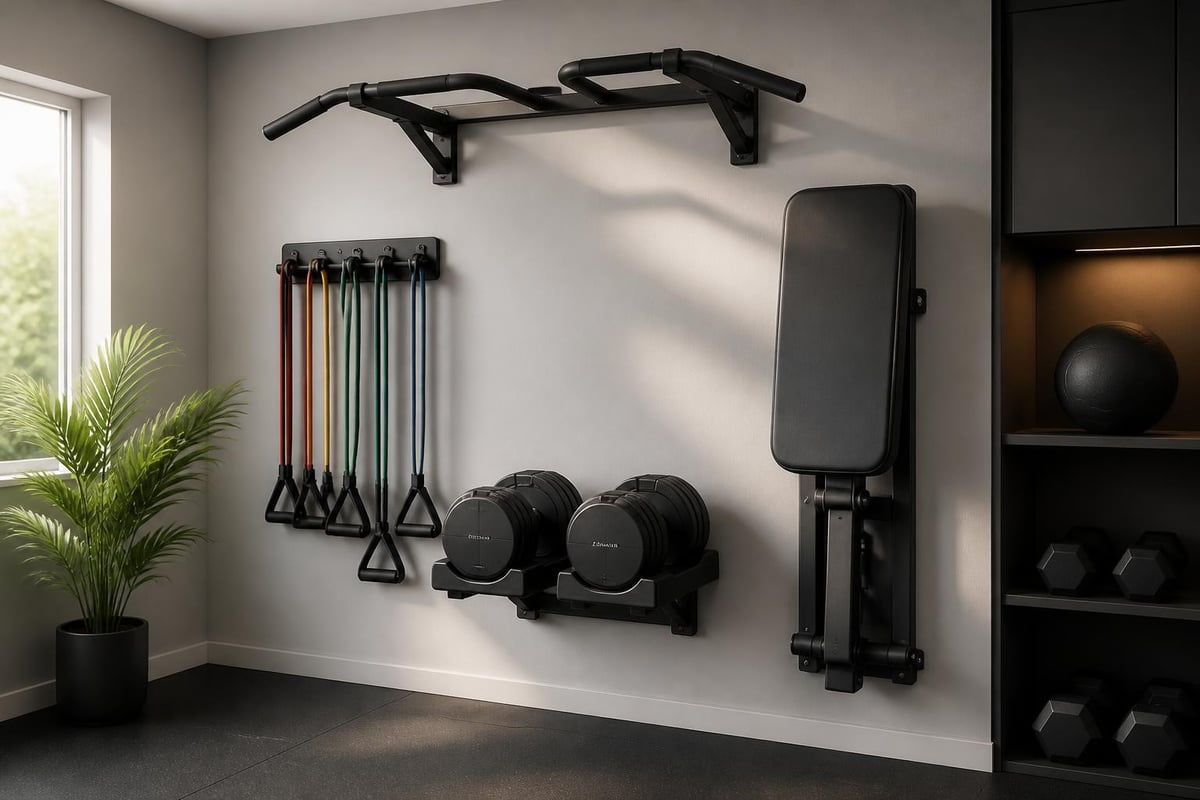
Space-saving solutions include adjustable dumbbells that replace entire racks, wall-mounted cable systems, and collapsible benches. Many modern pieces of weight exercise equipment incorporate storage features or stack vertically when not in use. A wrist strength device occupies minimal space while providing targeted forearm development that complements larger compound movements.
Proper Technique and Safety Considerations
Owning quality weight exercise equipment represents only half the equation; using it correctly determines whether you achieve results or risk injury. The American College of Sports Medicine's position stands provide evidence-based guidance on resistance training prescription, helping users understand appropriate volume, intensity, and progression for their experience level.
Form Fundamentals Across Equipment Types
Each category of weight exercise equipment demands specific technical proficiency. Free weights require greater kinesthetic awareness and control compared to guided machine movements. Harvard Health's strength training tips emphasize starting with lighter loads to master movement patterns before progressing to challenging weights.
Critical form principles include:
- Maintaining neutral spine alignment during all loaded movements
- Controlling the eccentric (lowering) phase to maximize muscle stimulus and reduce injury risk
- Breathing properly by exhaling during exertion and inhaling during the easier phase
- Using full range of motion appropriate for individual mobility limitations
- Progressing gradually by adding 5-10% load increments only after mastering current weights
Recording your training sessions via video provides valuable feedback on form deterioration as fatigue accumulates. Many lifters discover technique flaws only after reviewing their movement patterns objectively.
Progressive Overload and Program Design
Effective training with weight exercise equipment requires systematic progression that challenges the body without overwhelming recovery capacity. Progressive overload-the gradual increase of stress placed on the body during training-drives adaptation and results.
Methods of implementing progressive overload:
- Increasing weight lifted for the same repetitions
- Performing more repetitions at the same weight
- Adding sets to existing exercises
- Decreasing rest periods between sets
- Improving movement quality and control
- Increasing training frequency for muscle groups
A comprehensive arm muscle trainer enables multiple progression paths through varied implements and resistance adjustments, supporting long-term development without plateaus.
Integrating Equipment with Recovery and Mobility Work
Advanced trainees recognize that training represents only one component of comprehensive fitness programming. Recovery tools and mobility equipment complement weight exercise equipment by addressing tissue quality, range of motion, and nervous system regulation between training sessions.
The Role of Recovery Tools in Strength Programs
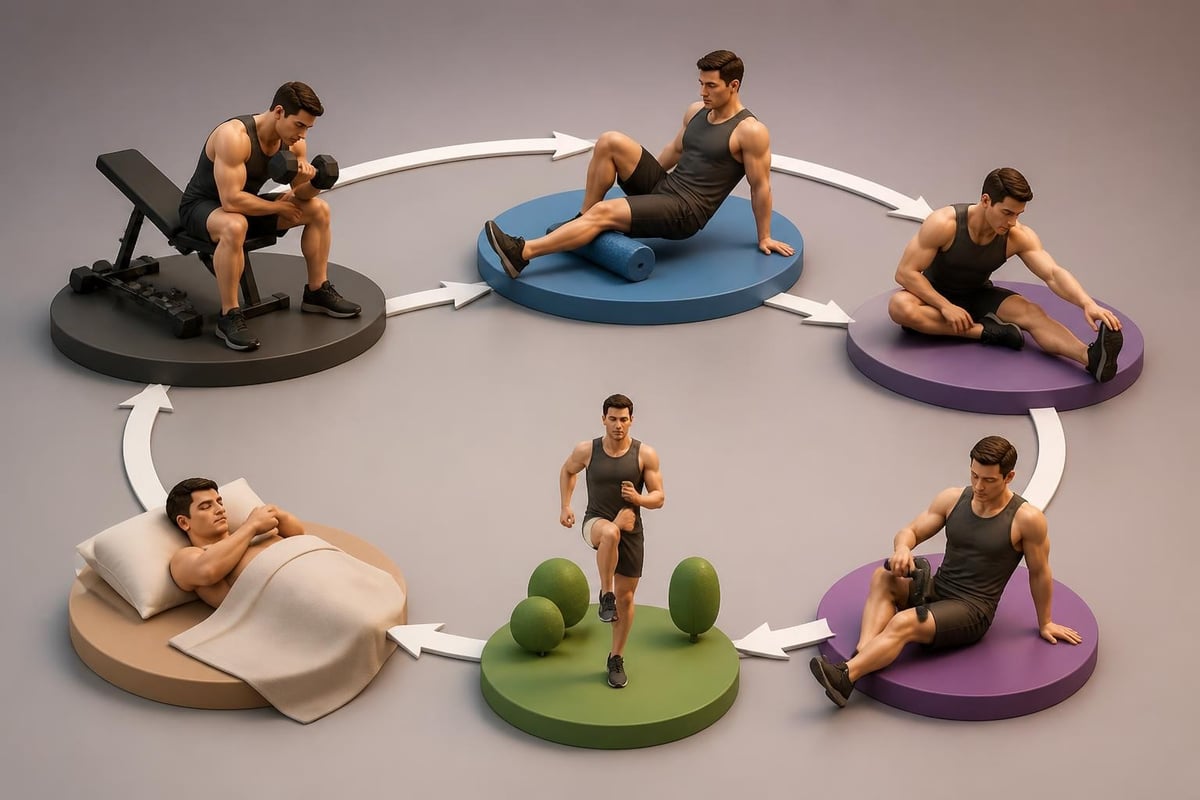
Muscle tissue adaptation occurs during rest periods rather than training itself. Strategic use of recovery equipment accelerates this process while reducing injury risk. Resistance training creates microtrauma in muscle fibers; proper recovery allows these tissues to repair stronger than before.
Modern recovery approaches include:
- Foam rollers and massage tools for myofascial release
- Stretching aids that enhance flexibility safely
- Percussion massagers for targeted muscle treatment
- Compression systems for improved circulation
For those seeking comprehensive recovery support, a handheld electric roller massager provides portable, effective muscle maintenance between training sessions.
Mobility Equipment for Long-Term Joint Health
Strength gains mean little if joint limitations prevent you from training pain-free. Mobility-focused weight exercise equipment and accessories help maintain or improve range of motion while building strength simultaneously.
Essential mobility tools include:
- Resistance bands for dynamic stretching
- Yoga wheels for thoracic spine extension
- Lacrosse balls for trigger point work
- Stretching straps for hamstring and shoulder flexibility
- Foam rollers in various densities
Combining traditional strength work with dedicated mobility practice creates resilient, capable bodies that perform well across diverse physical demands. Many strength athletes now incorporate yoga, Pilates, or dedicated mobility sessions using specialized equipment to complement their weight training.
Advanced Equipment Considerations and Technology Integration
The fitness equipment landscape continues evolving with technological integration and innovative design approaches. Smart weight exercise equipment now offers features previously available only in commercial facilities.
Connected Equipment and Data Tracking
Modern resistance training increasingly incorporates data collection and analysis. Connected dumbbells, smart cables, and app-integrated systems track:
- Repetition counts and tempo for objective volume measurement
- Power output and velocity to quantify training intensity
- Rest period management ensuring adequate recovery between sets
- Long-term progression trends showing strength gains over months
- Form analysis through accelerometer and gyroscope feedback
While technology enhances training precision, fundamental principles of progressive overload and consistent effort remain paramount. The best weight exercise equipment serves your training goals whether or not it includes digital features.
Specialty Bars and Advanced Training Tools
Experienced lifters often expand their equipment arsenal with specialty bars that modify force curves or emphasize specific muscle groups. These tools include:
| Specialty Equipment | Primary Benefit | Best Applications |
|---|---|---|
| Trap/Hex Bar | Reduced spinal load | Deadlifts, farmer carries |
| Swiss Bar | Neutral grip option | Pressing movements, joint-friendly training |
| Safety Squat Bar | Reduced shoulder stress | Squats for limited mobility |
| Resistance Bands | Variable resistance | Speed work, accommodation training |
A multi-functional resistance training tensioner demonstrates how contemporary equipment design combines multiple training modalities into compact, versatile systems suitable for home environments.
Maintenance and Longevity of Weight Training Equipment
Quality weight exercise equipment represents a significant investment that, with proper care, delivers decades of reliable service. Maintenance requirements vary by equipment type but generally remain minimal compared to cardio machines.
Caring for Different Equipment Types
Free weights require minimal maintenance beyond periodic inspection for damage. Steel plates and bars benefit from:
- Wiping down after use to prevent rust from moisture
- Storing in climate-controlled environments when possible
- Checking for cracks or structural damage in plates
- Lubricating rotating collars and bearings annually
Cable and pulley systems demand more attention:
- Inspecting cables monthly for fraying or wear
- Lubricating pulleys and guide rods quarterly
- Checking weight stack pins and safety catches
- Replacing worn components before failure occurs
Resistance bands and elastic equipment have finite lifespans:
- Storing away from direct sunlight and heat
- Checking for small tears before each use
- Replacing every 1-2 years depending on frequency of use
- Cleaning with mild soap to remove skin oils and debris
Proper maintenance extends equipment lifespan while ensuring safety during training. A brachial strength device maintained correctly provides years of reliable arm training without degradation in performance.
When to Upgrade or Replace Equipment
Even well-maintained weight exercise equipment eventually requires replacement or upgrading. Signs indicating replacement needs include:
- Visible structural damage or cracks in load-bearing components
- Inconsistent resistance or catching during cable movements
- Worn grip surfaces that compromise security
- Outgrowing weight capacity of existing equipment
- Training goals shifting to require different tools
Rather than discarding functional equipment, many lifters donate starter pieces to friends beginning their fitness journeys or sell them secondhand, creating an active used equipment market that makes strength training more accessible.
Building an effective strength training program depends on selecting appropriate weight exercise equipment that matches your goals, experience, and environment while committing to consistent, progressive training over time. Whether you're just beginning with resistance bands and basic dumbbells or advancing to comprehensive home gym systems, the right tools support your journey toward greater strength, improved health, and enhanced quality of life. SkyFitNet provides quality training essentials designed to help you train smarter and live stronger, offering everything from specialized strength devices to recovery tools that support your complete active lifestyle.