

Top Exercise Equipment for Your Home Gym in 2026

Building a home gym requires thoughtful selection of equipment that balances your fitness goals, available space, and budget. Whether you're establishing your first dedicated workout area or upgrading existing gear, choosing the top exercise equipment transforms your training environment into a space that supports consistent progress. The right combination of cardio machines, strength tools, mobility aids, and recovery equipment creates a comprehensive fitness ecosystem that rivals commercial facilities while offering the convenience of training on your schedule.
Essential Cardio Machines for Home Training
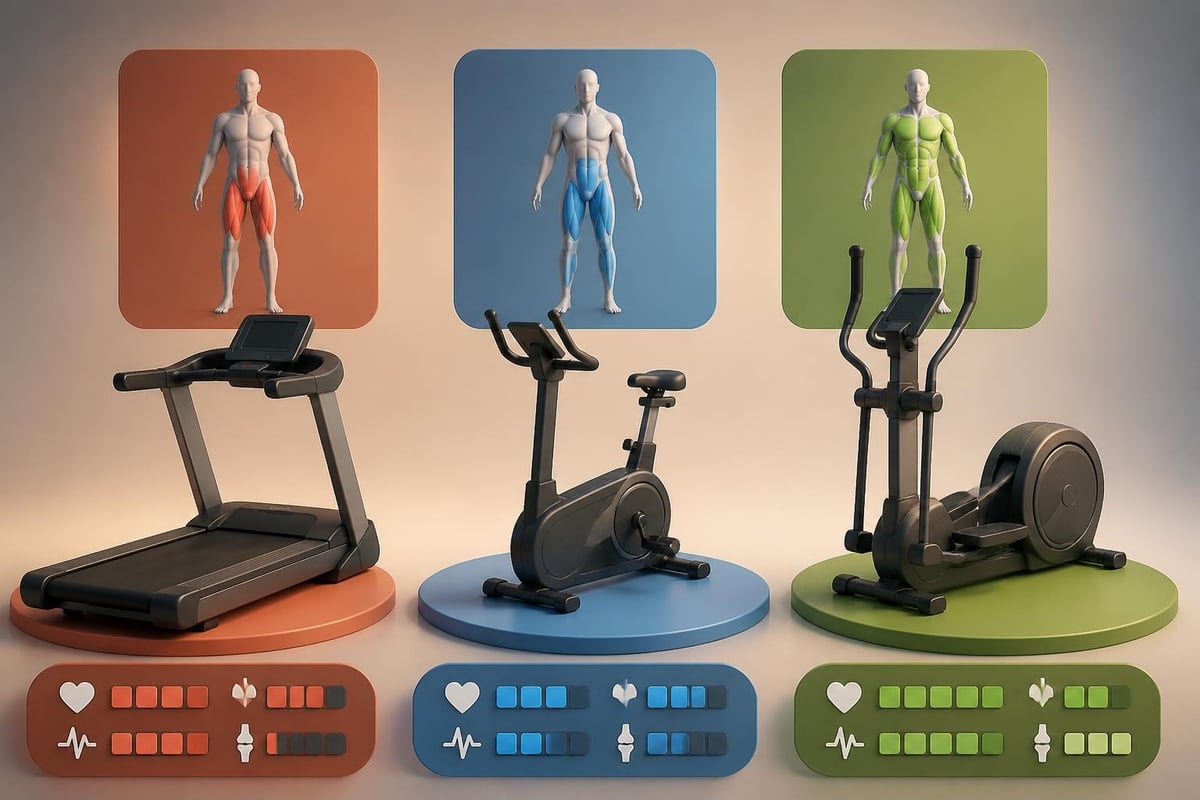
Cardiovascular equipment forms the foundation of many home gyms, providing accessible options for heart health, endurance, and calorie expenditure. When evaluating the top exercise equipment for cardio training, consider machines that accommodate your current fitness level while offering progression pathways as your conditioning improves.
Treadmills: The Versatile Cardio Staple
Treadmills remain among the most popular home cardio investments due to their intuitive operation and comprehensive workout options. Consumer Reports' treadmill buying guide emphasizes evaluating motor power, belt size, cushioning systems, and long-term subscription costs before purchasing.
Key treadmill features to prioritize:
- Motor horsepower rating of 2.5 HP or higher for walking, 3.0 HP for running
- Running surface minimum 55 inches long and 20 inches wide
- Multi-level incline adjustment for varied training stimulus
- Shock absorption technology to reduce joint impact
- Heart rate monitoring capabilities
Modern treadmills offer programming flexibility ranging from interval training to hill simulations, making them suitable for beginners through advanced athletes.
Stationary Bikes and Ellipticals
Alternative cardio machines provide low-impact options that accommodate joint concerns while delivering effective cardiovascular stimulus. Harvard Health Publishing's comparison of home exercise machines notes that ellipticals and bikes particularly benefit individuals with knee or hip conditions.
Upright bikes mimic outdoor cycling geometry, engaging core stabilizers alongside lower body muscles. Recumbent bikes offer back support and reduced spinal loading, ideal for rehabilitation contexts or extended endurance sessions. Elliptical trainers combine upper and lower body movement patterns while eliminating the impact forces associated with running.
Strength Training Equipment Essentials
Resistance training equipment represents critical investments for building muscle, increasing bone density, and improving functional capacity. The top exercise equipment for strength development spans adjustable weights, resistance bands, and specialized training tools.
Adjustable Dumbbells and Kettlebells
Space-efficient adjustable weight systems deliver versatility without requiring extensive storage. Quality adjustable dumbbells replace entire rack systems, offering weight increments from 5 to 50+ pounds through quick-change mechanisms.
| Equipment Type | Space Required | Weight Range | Best For |
|---|---|---|---|
| Adjustable Dumbbells | Minimal | 5-50 lbs per hand | Full-body compound movements |
| Kettlebells | Low | 10-70 lbs | Dynamic exercises, conditioning |
| Fixed Dumbbells | High | Custom | Commercial-style training |
Kettlebells excel for ballistic movements, core integration, and metabolic conditioning. Their offset center of gravity challenges stabilizers throughout movement patterns, making them particularly effective for functional strength development.
Resistance Bands and Training Systems
Elastic resistance provides progressive tension throughout movement ranges, offering unique loading characteristics compared to gravity-based weights. Research published in PLOS ONE demonstrates that resistance band training effectively improves strength and functional capacity, particularly in older adults.
SkyFitNet's ankle strap resistance bands enable targeted lower body work including hip abduction, leg extensions, and glute activation exercises. Band systems accommodate beginners through advanced athletes by adjusting resistance levels, attachment points, and movement complexity.
Resistance band advantages:
- Portable and travel-friendly
- Joint-friendly resistance curve
- Accommodates multiple fitness levels
- Cost-effective compared to weights
- Enables unique movement patterns
Comprehensive Training Stations
Multi-functional equipment consolidates multiple exercises into single units, maximizing training options within limited space. SkyFitNet's multifunctional fitness strength resistance training equipment combines rowing, chest expansion, and dumbbell functionality for comprehensive upper body development.
A 2024 systematic review confirms that machine-based resistance training effectively improves functional capacity, supporting the value of selectorized and plate-loaded systems for structured strength progression.
Specialized Training Tools
Beyond fundamental cardio and strength equipment, specialized tools address specific training adaptations and movement quality improvements.
Grip and Forearm Developers
Grip strength correlates with overall health markers and functional independence. Dedicated forearm training equipment builds crushing strength, pinch grip capability, and wrist stability that transfers to compound lifts and daily activities.
SkyFitNet offers multiple grip-focused options:
- Brachial strength devices for comprehensive arm development
- Wrist strength devices targeting forearm muscles
- Finger power devices for individual digit training
Progressive grip training enhances performance in pulling movements, improves handshake strength, and reduces injury risk during heavy loading.
Core and Stability Equipment
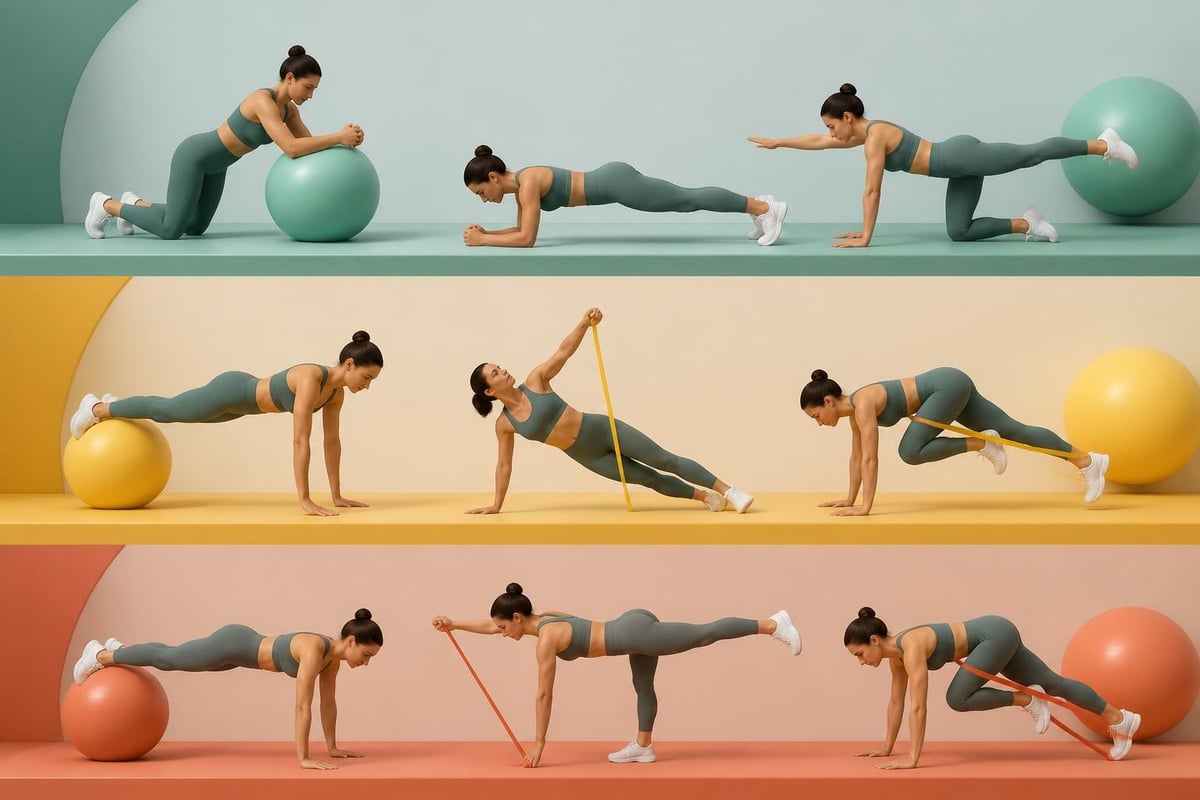
Core stability underpins efficient movement patterns and force transfer throughout athletic activities. The top exercise equipment for core development includes stability balls, medicine balls, and specialized training platforms.
Pilates balls create unstable surfaces that demand constant muscular adjustment, intensifying core engagement during traditional exercises. SkyFitNet's Pilates ball options range from mini training balls to full-size stability balls suitable for dynamic movement patterns.
Recovery and Mobility Tools
Consumer Reports' home gym setup guide emphasizes that recovery equipment deserves equal consideration alongside training tools. The top exercise equipment collections integrate recovery modalities that accelerate adaptation and reduce injury risk.
Foam Rollers and Massage Tools
Self-myofascial release techniques using foam rollers, massage sticks, and targeted pressure tools improve tissue quality and range of motion. SkyFitNet's cork yoga columns provide eco-friendly massage options that resist moisture and maintain surface integrity through extended use.
Recovery tool categories:
| Tool Type | Primary Use | Intensity Level |
|---|---|---|
| Foam Rollers | Large muscle groups | Moderate |
| Massage Sticks | Targeted pressure | Adjustable |
| Massage Balls | Trigger points | High |
| Yoga Wheels | Spine mobility | Low-Moderate |
The handheld electric roller massager offered by SkyFitNet combines percussion therapy with rolling pressure, delivering deep tissue work that manual tools cannot match.
Stretching and Flexibility Equipment
Active flexibility development requires dedicated tools that safely extend range of motion beyond passive stretching limitations. Cleveland Clinic's home gym guidance recommends incorporating flexibility work into regular training schedules rather than treating it as optional.
Yoga blocks, straps, and specialized stretching devices enable proper positioning during flexibility work. SkyFitNet's stretching Pilates stick facilitates assisted stretching patterns that increase hamstring, shoulder, and hip mobility without requiring partner assistance.
Programming Support Equipment
Effective training requires more than isolated equipment pieces. Support tools that enhance exercise execution, track progress, and enable proper technique contribute significantly to long-term success.
Training Aids and Accessories
Specific accessories optimize movement patterns and training safety. Items like workout gloves, lifting straps, resistance loop bands, and exercise mats transform standard equipment into more versatile training systems.
SkyFitNet's biceps rope attachments exemplify how targeted accessories expand exercise libraries. These simple additions enable triceps extensions, face pulls, and hammer curls that complement primary strength movements.
Essential training accessories:
- Non-slip yoga mats for floor exercises
- Lifting straps for heavy pulling movements
- Weight belts for spinal support during squats
- Resistance loop bands for activation work
- Workout timers for interval training
Athletic Apparel and Footwear
While not traditional equipment, proper training attire directly impacts performance and safety. NHS guidance on home fitness emphasizes wearing appropriate clothing that allows full range of motion without restriction.
SkyFitNet's professional non-slip yoga shoes provide stable platforms for balance work and Pilates exercises. Specialized fitness attire like the running shockproof vest-style fitness bra ensures comfort during high-impact activities.
Space-Efficient Equipment Solutions
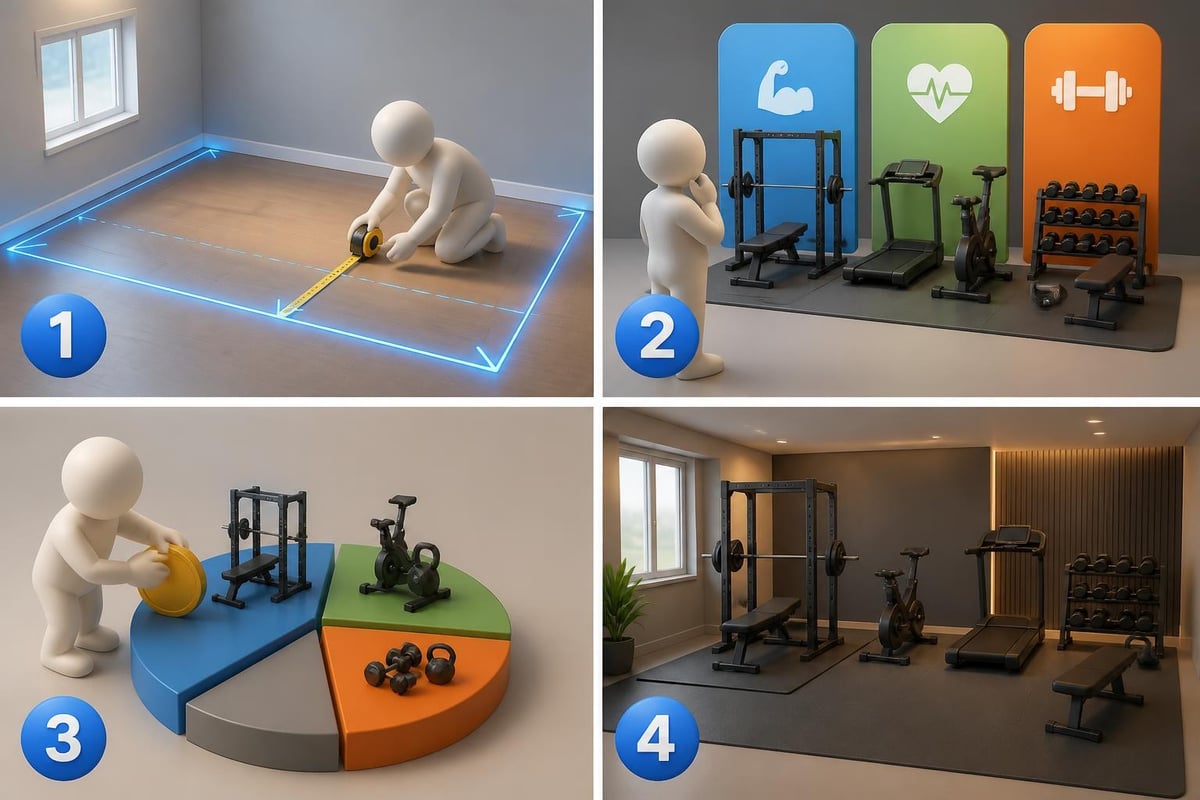
Limited square footage necessitates creative equipment selection that maximizes training options without overwhelming available space. The top exercise equipment for compact environments prioritizes versatility and storage efficiency.
Bodyweight Training Structures
Pull-up bars, suspension trainers, and dip stations leverage bodyweight as primary resistance while requiring minimal floor space. Wall-mounted or doorway pull-up bars enable vertical pulling patterns essential for balanced upper body development.
Suspension training systems like TRX or gymnastic rings attach to overhead anchors, providing hundreds of exercise variations from a single piece of equipment weighing less than two pounds. These systems scale difficulty through body positioning rather than external load manipulation.
Collapsible and Adjustable Equipment
Equipment that folds, collapses, or adjusts serves dual purposes without permanent floor commitment. Adjustable benches transition between flat, incline, and decline positions to accommodate pressing and rowing movements. Folding treadmills reduce storage footprint by 50% or more compared to non-folding models.
SkyFitNet's multi-functional fitness strength resistance training tensioner exemplifies space-efficient design, consolidating chest expansion, arm curls, and shoulder work into a compact unit.
Building Your Equipment Collection
Strategic equipment acquisition follows progressive investment that aligns with developing fitness competency and evolving goals. WHO physical activity guidelines recommend adults engage in 150-300 minutes of moderate-intensity or 75-150 minutes of vigorous-intensity aerobic activity weekly, plus muscle-strengthening activities on two or more days.
Starter Equipment Priorities
Beginning home gym builders should prioritize versatile, foundational equipment before specialty items:
Phase 1 investments (Months 1-3):
- Quality exercise mat
- Resistance band set with multiple tensions
- Adjustable dumbbells (5-25 lbs per hand)
- Jump rope for cardio conditioning
- Foam roller for recovery
This foundation supports comprehensive programming including strength training, cardiovascular conditioning, and mobility work without significant financial commitment. Total investment typically ranges from $200-500 depending on quality tier.
Intermediate Expansion
As training consistency develops and movement competency improves, intermediate equipment additions increase training variety and progressive overload potential:
- Kettlebell set (15-35 lbs)
- Adjustable workout bench
- Pull-up bar or suspension trainer
- Stationary bike or budget treadmill
- Additional resistance band tensions
Intermediate collections enable specialized training splits, increased loading capacity, and targeted muscle group emphasis. Budget allocation for this phase typically ranges $500-1,500.
Advanced Optimization
Experienced home gym users often invest in premium equipment that enhances training efficiency or addresses specific performance goals:
| Equipment Category | Purpose | Investment Range |
|---|---|---|
| Commercial Cardio | Enhanced programming, durability | $1,000-3,000 |
| Olympic Weight Set | Barbell training, heavy loading | $500-2,000 |
| Cable Machine | Constant tension, exercise variety | $400-1,500 |
| Smart Training Devices | Performance tracking, guided workouts | $300-2,000 |
Advanced equipment selections reflect individual priorities ranging from powerlifting to endurance training to functional fitness.
Maintenance and Longevity Considerations
The top exercise equipment delivers value through years of reliable service when properly maintained. Regular cleaning, lubrication, and inspection preserve functionality and safety.
Equipment Care Protocols
Different equipment categories require specific maintenance approaches:
Cardio machines: Lubricate moving parts quarterly, vacuum dust from motors monthly, inspect belts and cables for wear every six months, tighten loose bolts annually.
Weight equipment: Clean knurling with brass brush as needed, inspect cables and pulleys monthly, oil pivot points semi-annually, check weight stack alignment quarterly.
Resistance bands: Store away from direct sunlight, inspect for tears or weak spots before each use, replace annually regardless of visible wear, avoid overstretching beyond 250% original length.
Recovery tools: Clean foam surfaces after each use, replace foam rollers when surface integrity degrades, sanitize shared equipment regularly, store in temperature-controlled environment.
Warranty and Support
Quality equipment manufacturers stand behind products with comprehensive warranty coverage. Examine warranty terms covering frame structure, electronics, moving parts, and labor before purchasing. Extended warranties may prove cost-effective for expensive cardio equipment with electronic components.
SkyFitNet backs their products with customer support resources accessible through their FAQ section, helping users maximize equipment potential and troubleshoot issues.
Budget Allocation Strategies
Effective home gym development balances equipment quality, training variety, and financial responsibility. Strategic purchasing maximizes value without compromising safety or functionality.
Determining Investment Levels
Calculate realistic equipment budgets by assessing training frequency, space constraints, and fitness priorities. Individuals training 3-4 days weekly benefit from quality core equipment more than extensive but lower-quality collections.
Budget distribution framework:
- 40-50% on primary strength or cardio equipment
- 25-30% on complementary training tools
- 15-20% on recovery and mobility equipment
- 10-15% on accessories and apparel
This distribution ensures comprehensive capability without overinvesting in any single category.
Quality vs. Quantity Trade-offs
Premium equipment typically offers superior durability, warranty coverage, and user experience compared to budget alternatives. However, diminishing returns emerge beyond mid-tier quality levels for many equipment categories.
Prioritize quality in equipment experiencing heavy use or mechanical stress: cardio machines, adjustable dumbbells, workout benches. Consider budget-friendly options for accessories, resistance bands, and supplementary tools used less frequently.
Selecting the top exercise equipment requires balancing your training goals, available space, and budget while prioritizing versatility and quality. The right combination of cardio machines, strength tools, and recovery equipment creates a comprehensive training environment supporting long-term fitness development. Whether you're establishing your first home gym or expanding existing capabilities, SkyFitNet provides quality training, recovery, mobility, and wellness essentials designed to help you train smarter, recover better, and live stronger. Explore the complete collection at SkyFitNet to find the equipment that matches your active lifestyle.