

Prime Exercise Equipment: Choosing Gear for Peak Performance

Selecting the right tools for your fitness journey can dramatically influence your training outcomes, injury prevention, and long-term consistency. Prime exercise equipment represents more than just expensive gear or the latest trends-it encompasses thoughtfully designed tools that align with your specific training goals, available space, and movement patterns. Whether you're building a home gym, upgrading commercial facilities, or simply seeking to train smarter, understanding what makes equipment truly "prime" will help you invest wisely and maximize every workout session.
Understanding What Makes Exercise Equipment "Prime"
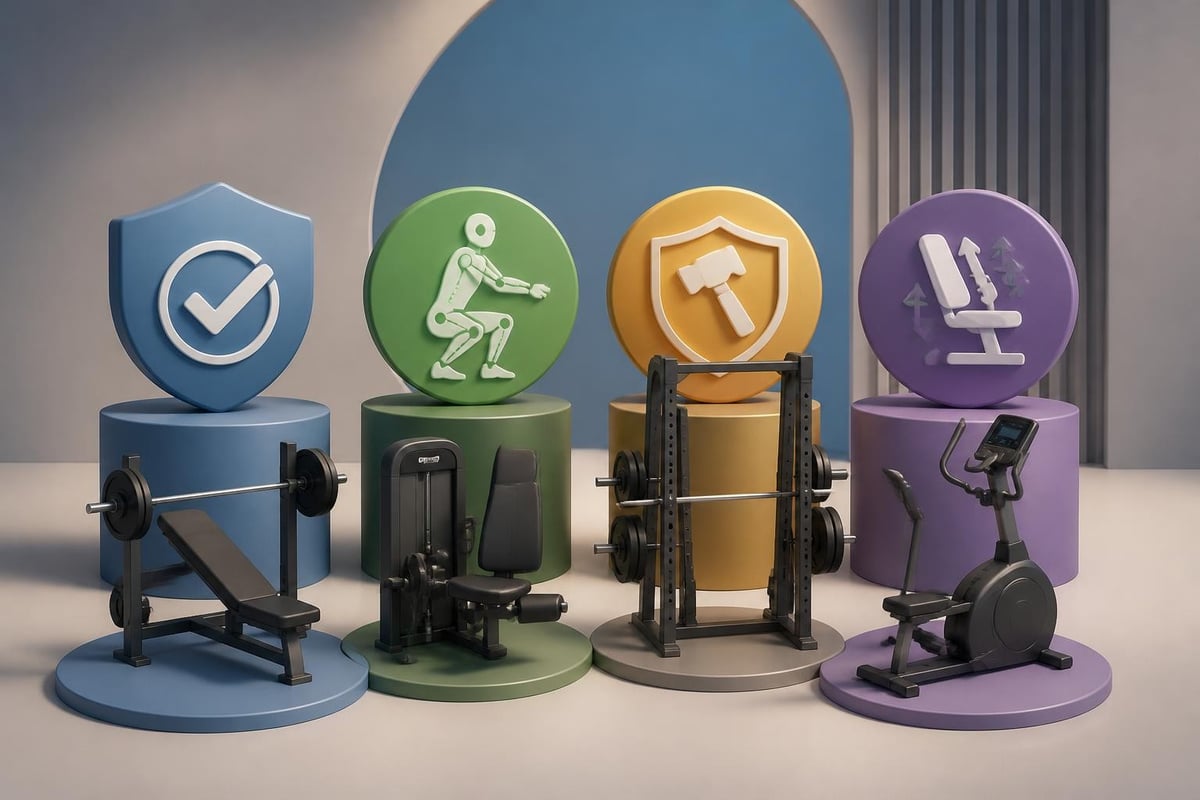
Prime exercise equipment distinguishes itself through several critical characteristics that directly impact user experience and training results. Safety standards, biomechanical design, durability, and versatility form the foundation of quality fitness gear. International safety standards like ISO 20957 establish baseline requirements for stationary training equipment, ensuring that commercial and home gym tools meet rigorous testing protocols for structural integrity and user protection.
Beyond regulatory compliance, prime exercise equipment addresses real-world training variables. Adjustability accommodates different body types and skill levels, while intuitive design reduces learning curves and injury risk. The equipment you choose should support proper movement patterns rather than forcing your body into awkward positions.
Key Performance Indicators for Quality Equipment
When evaluating potential additions to your training arsenal, consider these measurable factors:
- Load capacity and weight tolerance that exceed your current and projected strength levels by 20-30%
- Adjustment range that accommodates your full range of motion and multiple users
- Stability during dynamic movements including plyometric and explosive exercises
- Maintenance requirements and availability of replacement parts
- Warranty coverage reflecting manufacturer confidence in durability
| Equipment Category | Expected Lifespan | Critical Quality Factor |
|---|---|---|
| Free weights | 10+ years | Coating integrity, grip texture |
| Resistance bands | 1-3 years | Latex quality, layering |
| Cardio machines | 7-10 years | Motor durability, belt/chain system |
| Benches & racks | 10+ years | Weld quality, frame thickness |
Meeting global physical activity recommendations requires consistency, and quality equipment removes barriers to regular training. Adults need 150-300 minutes of moderate-intensity aerobic activity weekly, plus muscle-strengthening activities on two or more days. The right tools make these targets achievable at home or in the gym.
Strength Training Equipment: Free Weights vs. Machines
The debate between free weights and machine-based training continues to evolve with new research. Studies comparing these modalities demonstrate that both approaches produce significant strength and hypertrophy gains when programmed appropriately. The choice between prime exercise equipment categories often depends on training experience, injury history, and specific performance goals rather than one being universally superior.
Free weights-including barbells, dumbbells, and kettlebells-require greater stabilization and recruit more muscle groups simultaneously. This increased demand on stabilizer muscles translates to improved functional strength and better carryover to daily activities and sports performance. Tools like the brachial strength device allow targeted arm work while maintaining the stabilization benefits of free-weight training.
Advantages of Machine-Based Training
Machines offer distinct benefits that make them valuable components of comprehensive training programs:
- Isolation precision for targeting specific muscles while minimizing fatigue in surrounding areas
- Reduced learning curve with guided movement paths that help beginners master exercise patterns
- Safety during high-intensity sets when training to failure without a spotter
- Accessibility for rehabilitation allowing controlled movement with minimal joint stress
- Consistent resistance curves that maintain tension throughout the full range of motion
According to ACSM resistance training guidelines, both free weights and machines should be incorporated based on individual needs and periodization strategies. Prime exercise equipment collections typically include both categories to maximize training flexibility.
Optimizing Your Home Cardio Setup
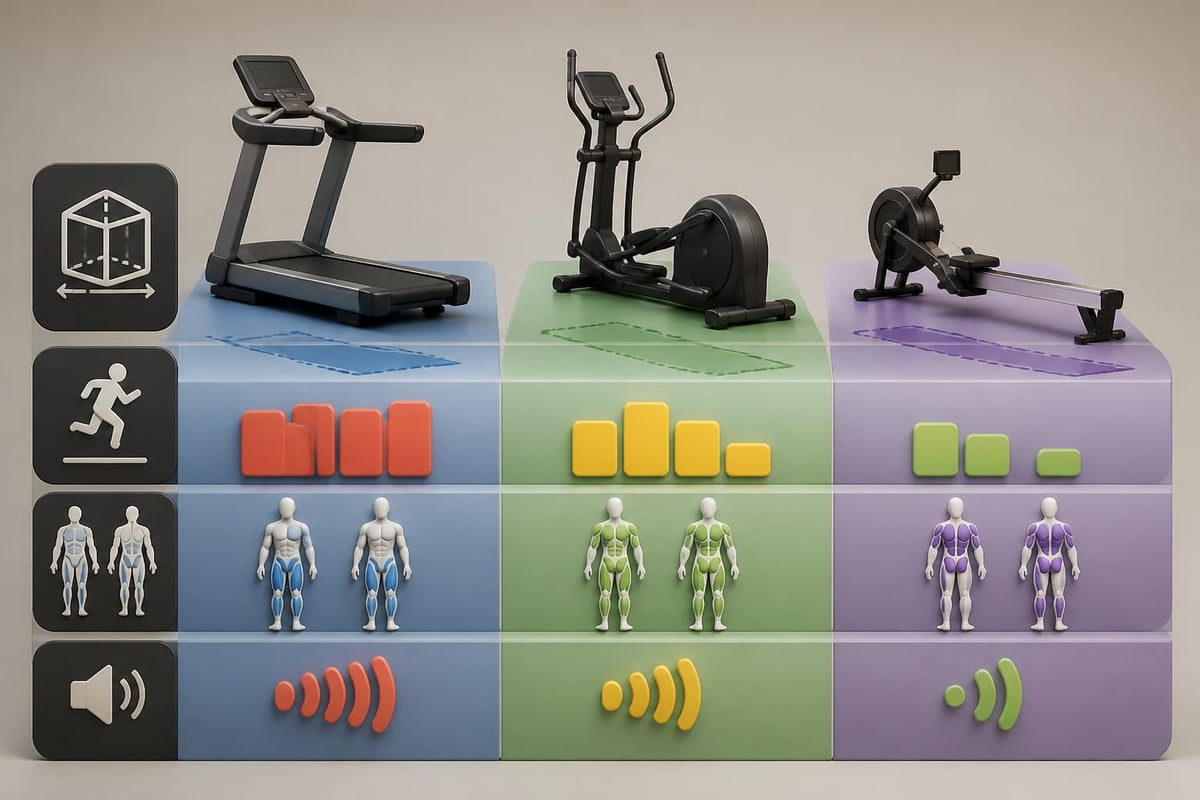
Cardiovascular equipment represents a significant investment, making informed selection crucial for home gym builders. Treadmills, ellipticals, rowing machines, and stationary bikes each offer unique benefits and limitations. The Consumer Reports treadmill buying guide emphasizes motor horsepower, deck cushioning, and belt size as primary considerations for durability and user experience.
Treadmill advantages include natural running mechanics, high calorie burn, and bone-density benefits from impact loading. However, they demand more space and generate more noise than other options. Look for continuous-duty motors rated at 2.5 HP or higher for running (versus walking), and prioritize decks at least 55 inches long for comfortable stride length.
Low-Impact Alternatives for Joint Health
Elliptical machines provide effective cardio training while eliminating the impact forces that stress knees, hips, and ankles. The elliptical buying guide highlights stride length and adjustable resistance as critical factors. Prime exercise equipment in this category features stride lengths of 18-20 inches to accommodate most users comfortably.
Key features for elliptical selection include:
- Adjustable incline to vary muscle emphasis and intensity
- Reverse stride capability for posterior chain development
- Heart rate monitoring integration for zone-based training
- Smooth resistance transitions throughout the full motion range
Rowing machines deliver total-body cardiovascular conditioning while building upper-body and core strength simultaneously. Air resistance models provide unlimited resistance that scales with effort, while magnetic resistance rowers offer quieter operation ideal for apartments or shared spaces.
Recovery and Mobility Tools as Essential Equipment
Prime exercise equipment extends beyond strength and cardio tools to include recovery-focused devices that accelerate adaptation and reduce injury risk. Mayo Clinic sports medicine guidance emphasizes that recovery equipment should be integrated into regular training routines rather than reserved for injury management.
Foam rollers, massage balls, and percussion devices facilitate myofascial release that improves tissue quality and range of motion. The pulse leg recovery system exemplifies how technology enhances recovery through pneumatic compression that accelerates lymphatic drainage and reduces muscle soreness.
Building a Complete Recovery Arsenal
A well-rounded recovery toolkit should address multiple tissue systems and movement quality:
| Recovery Tool | Primary Benefit | Recommended Frequency |
|---|---|---|
| Foam roller | Broad tissue mobilization | Daily, 5-10 minutes |
| Lacrosse ball | Targeted trigger point release | As needed, 2-3 minutes per area |
| Resistance bands | Active mobility, joint prep | Pre-workout, 5 minutes |
| Percussion massager | Deep tissue stimulation | Post-workout, 3-5 minutes per area |
| Yoga wheel | Spine mobilization, thoracic extension | Daily, 3-5 minutes |
The handheld electric roller massager offers portability and adjustable intensity for athletes who need recovery tools while traveling. Integration of these devices into consistent routines significantly impacts long-term training capacity.
Flexibility and mobility work require dedicated tools for optimal results. Yoga resistance bands, stretching straps, and mobility sticks provide assistance and resistance for improving joint range of motion. The multifunctional fitness strength resistance training tensioner demonstrates how versatile tools serve multiple purposes across strength and mobility work.
Specialized Equipment for Targeted Development
While foundational equipment handles most training needs, specialized tools accelerate progress in specific areas. Grip strength significantly influences pulling performance, deadlift capacity, and overall upper-body development. Devices like the fitness jack forearm strength training device provide progressive overload for hand, wrist, and forearm musculature that standard barbell work may not fully develop.
Arm-specific training benefits from tools that isolate biceps and triceps through unique resistance angles. The biceps rope push down pull rope enables diverse cable exercises that target arm muscles from multiple positions, promoting balanced development and reducing injury risk from repetitive stress.
Progressive Resistance and Adaptation
Prime exercise equipment supports gradual progression essential for continuous improvement. Micro-loading capabilities through fractional plates or adjustable resistance mechanisms allow strength increases smaller than standard five-pound jumps. This precision proves especially valuable for upper-body pressing movements and exercises where small increments matter significantly.
Resistance bands exemplify progressive tools that scale with user strength. The yoga resistance rubber bands come in multiple thickness grades, providing resistance from 5 to over 100 pounds equivalent. Their portability and versatility make them ideal for warm-ups, assistance work, and travel training.
- Establish baseline strength with traditional weights or bodyweight movements
- Add accommodating resistance through bands or chains for variable loading
- Incorporate isometric holds at sticking points to build specific-range strength
- Progress to advanced variations using specialized equipment for unique stimulus
- Cycle back to fundamentals periodically to maintain movement quality and reduce fatigue
Space Optimization and Multi-Function Design
Home gym builders face inevitable space constraints that make equipment versatility paramount. Prime exercise equipment increasingly features multi-function design that consolidates several tools into compact footprints. The multifunctional fitness strength resistance training chest expander exemplifies this approach by combining chest press, rowing, and resistance band functions in one unit.
Adjustable dumbbells represent perhaps the ultimate space-saving solution, replacing entire dumbbell racks with dial-or-pin systems that change weight in seconds. Quality adjustable sets range from 5 to 90 pounds per hand, covering the majority of pressing, rowing, and accessory exercises most athletes require.
Wall-mounted and folding equipment maximizes floor space for movement-based training while maintaining strength tool accessibility. Folding benches, wall-mounted pull-up bars, and suspension trainers stow completely when not in use, transforming living spaces into functional training environments within minutes.
Strategic Equipment Sequencing for Small Spaces
When building a home gym gradually, prioritize acquisitions based on versatility and foundational movement patterns:
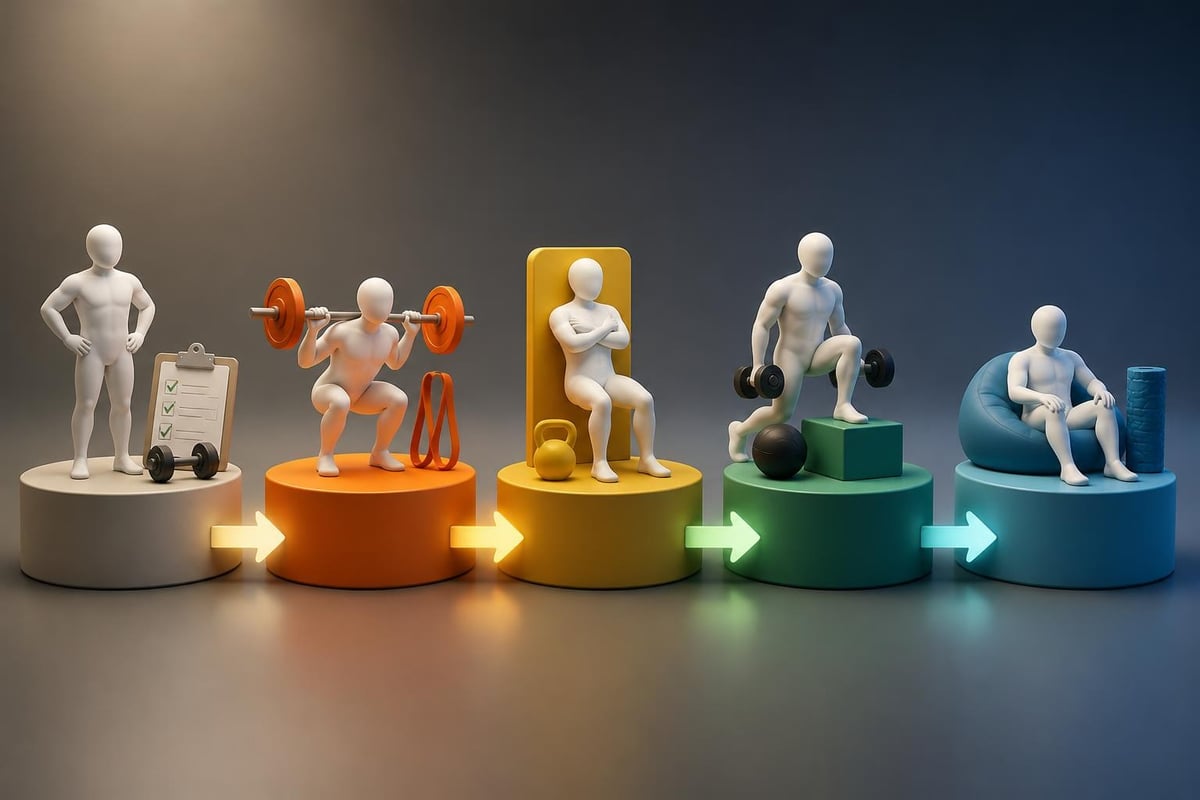
- Phase 1: Adjustable dumbbells, resistance bands, yoga mat (covers push, pull, squat, hinge patterns)
- Phase 2: Adjustable bench, pull-up bar, foam roller (adds angle variety and recovery)
- Phase 3: Barbell, weight plates, squat stand (expands loading capacity for compound lifts)
- Phase 4: Specialized tools based on individual goals (grip trainers, cardio machine, additional accessories)
This progression ensures continuous training capability while spreading investment over time. Each phase builds upon previous equipment, maintaining workout variety throughout the building process.
Safety Considerations and Injury Prevention
Quality equipment design inherently supports safer training through biomechanically sound movement paths and appropriate load distribution. However, even prime exercise equipment requires proper setup and usage protocols. Research on home exercise safety emphasizes equipment inspection, clear training space, and appropriate progression as key injury-prevention strategies.
Before each training session, inspect equipment for:
- Loose bolts or fasteners on weight machines, benches, and cable systems
- Frayed cables or worn pulleys that could fail under load
- Damaged upholstery or padding exposing hard surfaces or metal edges
- Floor stability ensuring equipment remains level and secure during use
- Weight plate security verifying collars and safety pins engage properly
Proper equipment positioning prevents accidents and optimizes biomechanics. Maintain clearance zones around all equipment, especially for dynamic movements like kettlebell swings or barbell complexes. Mark these zones with floor tape or arrange equipment to naturally create safe working areas.
Gradual Load Progression and Form Mastery
New equipment tempts users to immediately test maximum capacity, but this approach invites injury and poor movement patterns. Master movement quality with lighter loads before progressing to challenging weights. Prime exercise equipment often includes instructional guides or online resources demonstrating proper form and common errors.
The wrist strength device requires particular attention to form, as improper wrist positioning during forearm training can create tendon inflammation. Start with minimal resistance, focusing on controlled motion and full range, then add load only when movement quality remains pristine.
Integration with Training Programming
Equipment quality matters little without intelligent programming that leverages each tool's strengths. Prime exercise equipment supports varied training modalities including strength, hypertrophy, power, endurance, and skill development. Matching equipment to workout phase optimizes adaptations and maintains training novelty.
Strength phases emphasize low-rep, high-load work that benefits from stable platforms like barbells, power racks, and heavy dumbbells. These tools allow maximal force production with minimal stability demand, directing energy toward moving heavy loads rather than maintaining balance.
Hypertrophy blocks incorporate machines, cables, and moderate-weight free weights that enable higher volumes and time under tension. The multifunctional chest expander provides constant tension ideal for muscle-building phases.
Power development requires equipment allowing explosive movement without excessive impact. Medicine balls, resistance bands, and lighter barbells facilitate rate-of-force development through throws, jumps, and Olympic lift variations.
| Training Phase | Primary Equipment | Rep Ranges | Rest Periods |
|---|---|---|---|
| Maximal Strength | Barbells, heavy dumbbells | 1-5 reps | 3-5 minutes |
| Hypertrophy | Machines, cables, moderate weights | 6-12 reps | 60-90 seconds |
| Power | Light loads, bands, medicine balls | 1-6 reps | 2-4 minutes |
| Endurance | Cardio machines, light resistance | 15+ reps | 30-60 seconds |
Selecting prime exercise equipment requires balancing immediate needs with long-term goals, space constraints with training variety, and budget considerations with quality standards. The right tools remove barriers to consistent training while supporting safe, effective progression across all fitness domains. SkyFitNet provides carefully curated training, recovery, and mobility essentials designed to support your performance and active lifestyle, helping you build a complete fitness ecosystem that evolves with your journey.