

Men's Workout Equipment: Essential Gear for 2026

Building a comprehensive collection of mens workout equipment requires strategic planning, not just accumulating random gear. Whether you're establishing a home gym or supplementing commercial facility access, understanding which tools deliver measurable results versus which collect dust is critical. The fitness landscape in 2026 emphasizes versatile, space-efficient equipment that supports strength development, mobility work, and recovery protocols. Smart equipment selection allows you to train consistently while adapting to your evolving goals, schedule constraints, and training preferences.
Understanding Modern Equipment Categories
The mens workout equipment market has evolved significantly beyond the traditional barbell-and-bench paradigm. Today's evidence-based approach recognizes that effective training requires tools across multiple categories. Strength development remains foundational, but mobility, recovery, and targeted muscle activation tools have become equally important for long-term performance and injury prevention.
Core equipment categories include:
- Resistance tools (free weights, bands, suspension systems)
- Cardiovascular equipment (rowers, bikes, jump ropes)
- Mobility and flexibility aids (foam rollers, yoga wheels, stretching devices)
- Recovery technology (percussion massagers, compression tools)
- Functional training gear (kettlebells, medicine balls, plyometric boxes)
According to the WHO Guidelines on Physical Activity and Sedentary Behaviour, adults should engage in muscle-strengthening activities at moderate or greater intensity on at least two days per week. This global recommendation underscores why mens workout equipment should prioritize resistance training capability while supporting comprehensive movement patterns.
Free Weights Versus Machines
Free weights remain the cornerstone of effective mens workout equipment collections. Dumbbells, barbells, and kettlebells force stabilizer muscle recruitment and allow natural movement patterns that machines cannot replicate. However, machines offer specific advantages for isolation work, rehabilitation, and training to failure safely.
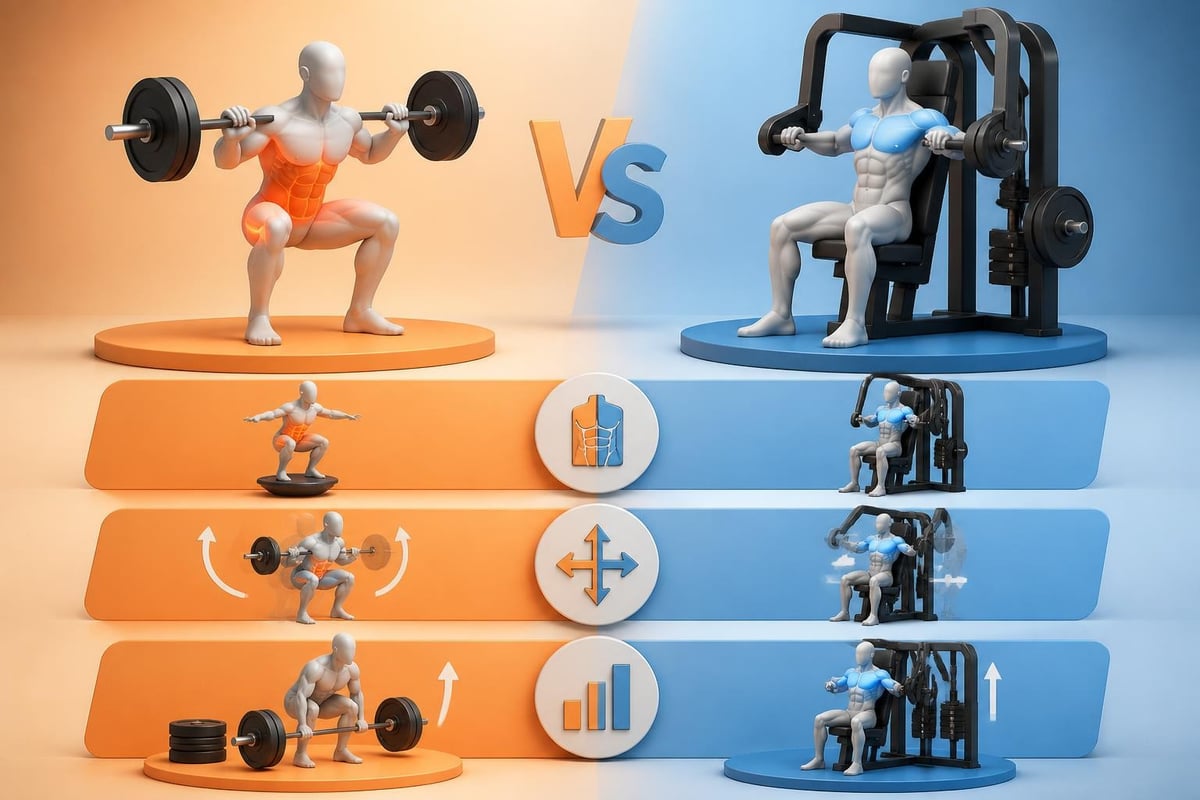
The optimal approach integrates both modalities. A multifunctional fitness strength resistance training chest expander can bridge this gap by providing variable resistance with free-weight movement patterns in a compact footprint.
| Equipment Type | Space Required | Versatility | Cost | Learning Curve |
|---|---|---|---|---|
| Adjustable Dumbbells | Low | High | Medium | Low |
| Barbell + Plates | Medium-High | High | Medium-High | Medium |
| Resistance Bands | Minimal | Medium-High | Low | Low |
| Cable Machine | High | Very High | High | Medium |
| Suspension Trainer | Minimal | High | Low | Medium-High |
Building Your Foundation Equipment Set
Starting with mens workout equipment requires distinguishing between essential and supplementary tools. Your foundation set should enable progressive overload across major movement patterns: push, pull, squat, hinge, and carry. These fundamental patterns form the basis of functional strength and can be trained effectively with surprisingly minimal equipment.
Essential foundation pieces:
- Adjustable resistance system (dumbbells, bands, or hybrid tools)
- Pull-up or suspension training capability
- Flat training surface (bench or stability ball)
- Mobility tools (foam roller and stretching aids)
The American College of Sports Medicine provides updated resistance training guidelines that inform equipment selection. Their 2026 position stand emphasizes that equipment variety matters less than consistent application of progressive overload principles. A brachial strength device targeting specific muscle groups can complement compound movements without requiring extensive space.
Space-Efficient Solutions
Modern mens workout equipment design prioritizes compact footprints without sacrificing training effectiveness. Adjustable dumbbells replace entire dumbbell racks, resistance bands provide variable tension across dozens of exercises, and multi-functional stations consolidate several machines into one unit.
For home gyms under 100 square feet, focus on equipment that serves multiple purposes. SkyFitNet's home fitness strength collection showcases versatile tools designed specifically for space-constrained environments. Vertical storage solutions, wall-mounted equipment, and collapsible designs maximize your training area while maintaining professional-grade quality.
Advanced Resistance Training Tools
Beyond foundational equipment, specific mens workout equipment addresses targeted development goals. Grip strength tools, specialty bars, chains, and variable resistance devices allow advanced trainees to break through plateaus and address weak points systematically.
Research published in Sports Medicine demonstrates dose-response relationships in resistance training, showing that equipment selection influences training volume tolerance and recovery demands. Choosing appropriate resistance tools allows you to accumulate sufficient training stimulus without excessive fatigue accumulation.
Grip and Forearm Specialization
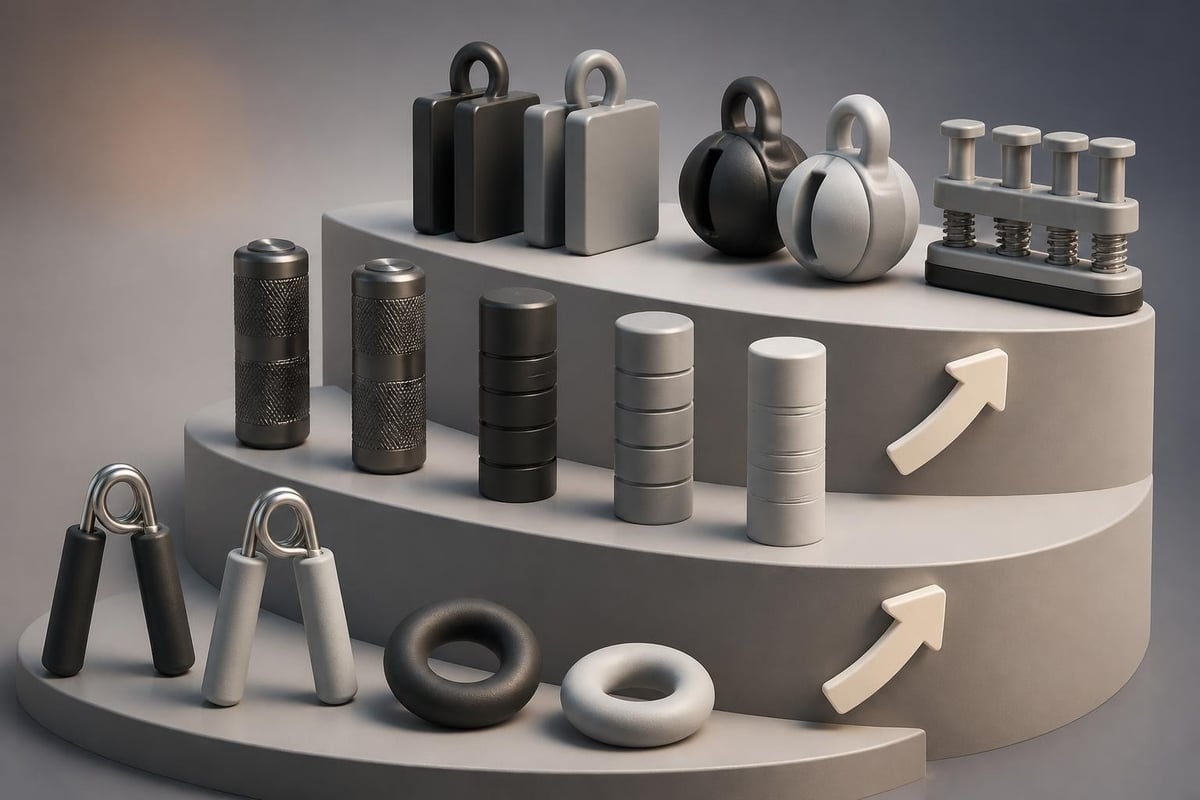
Grip strength often becomes the limiting factor in pulling movements and carries. Dedicated grip training equipment includes thick-bar adapters, hand grippers, wrist rollers, and finger trainers. A fitness arm muscle blaster trainer integrates multiple grip training modalities into a single system, addressing biceps, triceps, and forearm development simultaneously.
Progressive grip training options:
- Adjustable hand grippers (100-365 lbs resistance)
- Thick-bar attachments (2"-3" diameter)
- Wrist rollers with weight plates
- Finger extension bands
- Pinch-grip blocks
These specialized tools complement primary lifts while preventing grip-related training limitations. The wrist strength device from SkyFitNet offers structured progression for this often-neglected area.
Mobility and Recovery Equipment Integration
Effective mens workout equipment collections extend beyond resistance tools to include mobility and recovery technologies. Tissue quality, joint range of motion, and nervous system recovery directly impact training capacity and injury resilience. Allocating 15-20% of your equipment budget to recovery tools produces measurable performance returns.
A 2024 randomized trial published on PubMed examined home-based resistance programs using compact equipment and remote technology. Results demonstrated that participants who integrated mobility work and recovery protocols achieved superior strength gains and adherence rates compared to resistance-only groups. This evidence supports comprehensive equipment approaches rather than strength-tool-exclusive collections.
Foam Rolling and Myofascial Release
Self-myofascial release tools range from basic foam rollers to sophisticated percussion devices. Density variations (soft, medium, firm) address different tissue types and tolerance levels. Textured surfaces and targeted tools like yoga wheels provide precise pressure application for specific muscle groups.
Recovery equipment hierarchy:
- Basic foam roller (36" x 6")
- Massage ball set (various densities)
- Percussion massager (variable speed settings)
- Compression boots or sleeves
- Cryo/heat therapy devices
SkyFitNet's recovery muscle care collection provides evidence-backed tools that accelerate tissue healing and maintain training consistency. The muscle relaxer offers targeted relief for specific problem areas without requiring professional intervention.
Technology-Enhanced Training Equipment
The 2026 mens workout equipment landscape increasingly incorporates digital connectivity, biometric tracking, and AI-guided programming. Smart equipment provides real-time feedback on velocity, power output, and movement quality, transforming subjective effort into objective data. This technological integration supports more precise programming and faster adaptation.
Connected resistance bands measure tension throughout movement ranges, smart dumbbells track repetition tempo and count, and integrated platforms analyze workout patterns to suggest programming adjustments. While not essential for beginners, these technologies become valuable as training sophistication increases.
App-Integrated Systems
Modern training equipment frequently pairs with smartphone applications that log workouts, suggest progressions, and provide coaching cues. The ACE workout builder for high-intensity resistance training demonstrates how structured programming templates can be delivered through technology platforms, making professional-grade coaching accessible to home gym users.
| Technology Feature | Training Benefit | Equipment Examples | Investment Level |
|---|---|---|---|
| Rep Counting | Volume Tracking | Smart Dumbbells | Medium |
| Velocity Measurement | Power Development | Linear Position Transducers | High |
| Form Analysis | Technique Refinement | Camera-Based Systems | Medium-High |
| Program Generation | Structured Progression | Integrated Platforms | Low-Medium |
| Biometric Integration | Recovery Monitoring | Heart Rate/HRV Devices | Low-Medium |
Specialized Equipment for Specific Goals
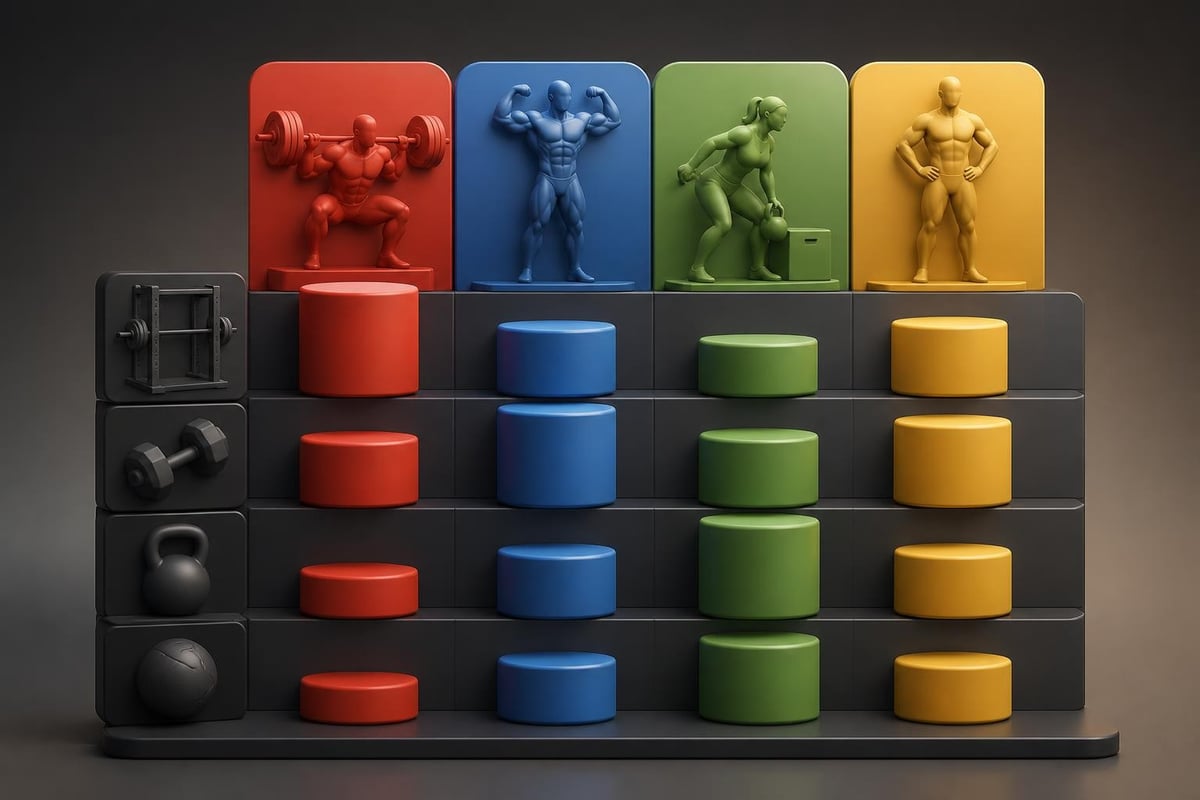
Different training objectives require distinct mens workout equipment emphasis. Powerlifters prioritize barbells, plates, and specialty bars. Bodybuilders need greater exercise variety and isolation capability. Functional fitness athletes require dynamic, multi-planar movement tools. Understanding your primary training objective focuses equipment investment where it generates maximum return.
Strength Sport Specificity
Powerlifters building home gyms should invest heavily in barbell quality, plate accuracy, and stable benching/squatting platforms. A quality power bar, calibrated plates, and adjustable squat stands form the foundation. Secondary equipment includes specialty bars (safety squat bar, Swiss bar, trap bar) that address weak points and provide training variation without compromising competition lift carryover.
Olympic weightlifters require different equipment specifications: whippy barbells, bumper plates, and stable platforms. The dropping requirements necessitate proper flooring and plate quality that absorbs impact without damage.
Bodybuilding equipment priorities differ:
- Cable systems for constant tension
- Dumbbells across wide weight ranges
- Benches with multiple angle adjustments
- Isolation machines for targeted development
- Preacher curl and leg extension attachments
The biceps rope push down pull rope exemplifies targeted accessory equipment that enhances primary compound movements while providing variation that prevents adaptation plateaus.
Bands and Variable Resistance Systems
Resistance bands represent perhaps the most underutilized category of mens workout equipment. Modern band systems provide variable resistance that increases loading through range of motion, directly addressing strength curves more effectively than constant-load free weights. Bands also enable accommodating resistance when combined with traditional loading, creating novel training stimuli.
Quality matters significantly in band selection. Cheap latex tubes degrade rapidly and fail unpredictably. Professional-grade looped bands, fabric resistance bands, and specialized attachment systems provide consistent tension and superior durability. A comprehensive band set (light through extra-heavy resistance) costs less than a single quality dumbbell pair while enabling hundreds of exercise variations.
Band Training Applications
Primary uses for resistance bands include:
- Warm-up and activation exercises
- Accommodating resistance on compound lifts
- Mobility and stretching protocols
- Travel training when away from primary equipment
- Rehabilitation and prehabilitation work
- Blood flow restriction training when combined with appropriate protocols
The ankle strap resistance bands from SkyFitNet demonstrate how specialized attachments expand band training applications beyond basic patterns. Hip and leg development particularly benefits from anchored band systems that allow progressively loaded movement through full ranges of motion.
Budget Allocation Strategies
Effective mens workout equipment acquisition follows strategic budget allocation rather than impulse purchases. Quality equipment represents a multi-year investment that should prioritize durability and versatility over trendy features or aesthetic appeal. A well-planned $1,000-2,000 investment creates a comprehensive home gym capable of supporting years of progressive training.
Recommended budget distribution:
- Primary resistance tools (40-50%): barbells, dumbbells, or quality all-in-one systems
- Secondary equipment (20-25%): benches, pull-up bars, stability tools
- Mobility and recovery (15-20%): foam rollers, bands, massage devices
- Accessories and small tools (10-15%): grips, straps, specialized implements
Starting with foundation pieces and adding specialized equipment as specific needs emerge prevents wasted investment in unnecessary tools. The steel paint mens and womens pot lifting strength training fitness equipment provides an example of multi-user equipment that serves diverse training populations, maximizing household value.
Quality Versus Quantity Trade-offs
One high-quality barbell outperforms five cheap alternatives. Equipment durability directly correlates with training consistency, as broken or uncomfortable tools create friction that reduces adherence. Commercial-grade residential equipment typically carries 5-10 year warranties and maintains performance characteristics throughout that lifespan.
Budget constraints require prioritization. Would you prefer limited high-quality equipment or comprehensive low-quality tools? Research consistently favors the former. Three excellent, versatile pieces generate better long-term results than twenty mediocre items collecting dust.
Maintenance and Longevity Practices
Mens workout equipment requires minimal but consistent maintenance to preserve function and safety. Simple practices extend equipment lifespan significantly while preventing performance degradation that compromises training quality. Five minutes of weekly maintenance prevents hours of frustration and potential equipment replacement costs.
Essential maintenance protocols include:
- Wiping down equipment after use (sweat accelerates corrosion)
- Inspecting cables, bands, and straps for wear before each use
- Lubricating moving parts quarterly
- Tightening bolts and connections monthly
- Storing equipment in climate-controlled environments when possible
Weight plates benefit from occasional cleaning to prevent rust. Barbells and dumbbells maintain knurling effectiveness when cleaned with brass brushes. Bands and straps should be inspected for small tears or degradation that indicates replacement need. The fitness jack forearm strength training device and similar specialized tools require checking adjustment mechanisms remain secure and function smoothly.
Creating Workout Progressions With Limited Equipment
Even minimal mens workout equipment collections support sophisticated programming when exercises, loading patterns, and training variables are manipulated strategically. Progressive overload does not require endless equipment acquisition. Manipulating sets, repetitions, tempo, rest periods, and exercise variations generates continuous adaptation with fixed equipment selections.
A single adjustable dumbbell set enables complete full-body programming through exercise selection and loading progression. Adding a pull-up bar or suspension trainer introduces vertical pulling movements that dumbbells cannot replicate. A multi-functional fitness strength resistance training tensioner further expands movement pattern options without significant space requirements.
Programming Variables Beyond Equipment
Effective training progression manipulates multiple variables simultaneously. When equipment limits loading options, adjust training density (work-to-rest ratios), exercise complexity (unilateral versus bilateral movements), or movement tempo (eccentric emphasis, pause repetitions). These adjustments create novel training stimuli that drive continued adaptation.
Non-equipment progression strategies:
- Increase training frequency for specific movement patterns
- Extend time under tension through slower eccentrics
- Reduce rest intervals to increase metabolic stress
- Add isometric holds at sticking points
- Implement unilateral variations to increase stability demands
SkyFitNet's best seller collection highlights equipment specifically selected for progression versatility, ensuring your investment supports long-term development rather than creating quick plateaus.
Integration With Mobility and Wellness Tools
Complete mens workout equipment systems recognize that peak performance requires more than resistance training. Flexibility, balance, joint health, and movement quality determine training consistency and injury resilience. Allocating space and budget to mobility tools prevents the accumulation issues that limit training longevity.
The yoga pilates mobility collection at SkyFitNet demonstrates how complementary equipment supports comprehensive fitness development. Yoga wheels, stretching devices, and balance tools address the movement quality foundation that allows intensive resistance training to proceed safely and effectively over decades.
Cross-Training Equipment Considerations
Athletic development benefits from varied training stimuli. Jump ropes provide low-equipment cardiovascular conditioning. Medicine balls enable explosive throwing movements. Agility ladders develop coordination and footwork. These tools require minimal space and investment while preventing the overuse patterns that emerge from exclusive resistance training.
Balance boards, stability balls, and wobble cushions introduce instability that challenges core engagement and proprioception. While not traditionally considered mens workout equipment, these tools enhance functional capacity and reduce injury risk when integrated into comprehensive programs. The posture everyday mobility collection provides equipment addressing the postural issues that develop from desk work and compromise training quality.
Strategic mens workout equipment selection creates the foundation for decades of progressive training and continuous improvement. By prioritizing versatile, durable tools that support fundamental movement patterns while allowing progression across multiple variables, you build a system that adapts to evolving goals without requiring constant replacement or expansion. Whether you're establishing a comprehensive home gym or supplementing commercial facility access, focus on equipment that enables consistent training rather than accumulating tools that create decision paralysis. SkyFitNet provides quality training, recovery, and mobility essentials designed to support your performance and active lifestyle with equipment built for long-term results, not short-term trends.