

Home Fitness Workout: Complete Training Guide 2026

Training at home has evolved from a temporary solution to a permanent lifestyle choice for millions of people worldwide. A well-designed home fitness workout delivers results that rival commercial gyms while offering unmatched convenience, privacy, and cost-effectiveness. Whether you're starting your fitness journey or maintaining peak performance, understanding how to structure effective home training sessions transforms your living space into a powerful training environment. The right combination of equipment, programming, and recovery strategies ensures sustainable progress and long-term wellness.
Building Your Home Fitness Workout Foundation
Creating an effective training environment starts with understanding your space, goals, and available resources. A successful home fitness workout requires minimal square footage-most exercises need just enough room to lie down with arms extended. Before investing in equipment, assess your current fitness level and identify specific objectives such as strength building, cardiovascular health, flexibility, or weight management.
The World Health Organization evidence-based guidelines recommend adults engage in 150-300 minutes of moderate-intensity aerobic activity weekly, plus muscle-strengthening activities on two or more days. These benchmarks provide a framework for structuring your home training schedule.
Essential Equipment Selection
Starting with versatile, space-efficient equipment maximizes training options without cluttering your home. Resistance bands offer progressive tension across multiple exercises, making them ideal for both beginners and advanced athletes. A quality multifunctional fitness strength resistance training tensioner provides full-body training capacity in a compact form.
Additional foundational items include:
- Adjustable dumbbells or kettlebells for progressive overload
- Yoga mat for floor exercises and stretching
- Suspension trainer for bodyweight resistance variations
- Jump rope for cardiovascular conditioning
- Foam roller for recovery and mobility work
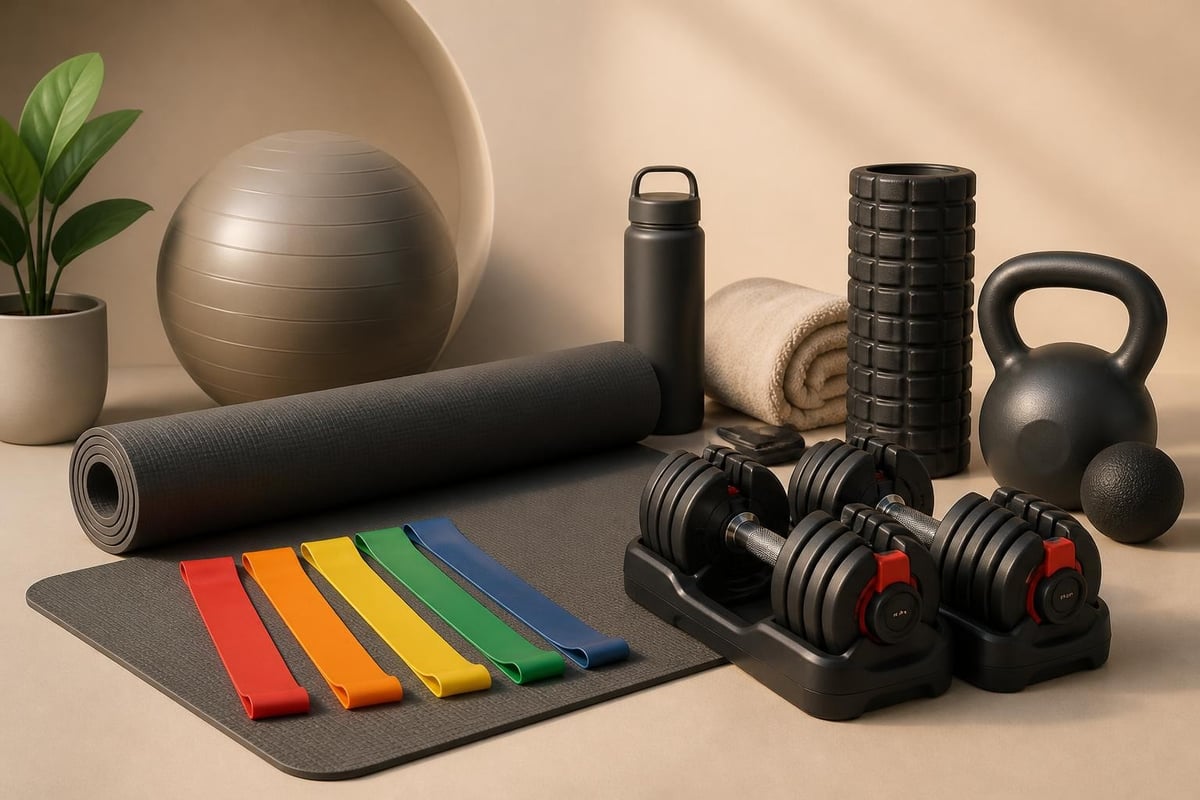
The American Council on Exercise body-weight workout builder demonstrates how minimal equipment still delivers comprehensive training stimulus. Even a wrist strength device or finger power device addresses specific strength needs without requiring significant space.
Designing Effective Training Programs
Program design determines whether your home fitness workout produces results or plateaus. Structured progression, exercise variety, and appropriate volume ensure continuous adaptation and improvement. Most effective home programs follow periodized approaches that cycle through different training phases every 4-8 weeks.
Weekly Training Split Options
| Split Type | Frequency | Best For | Sample Schedule |
|---|---|---|---|
| Full Body | 3x/week | Beginners, time-limited | Mon/Wed/Fri |
| Upper/Lower | 4x/week | Intermediate, balanced development | Mon/Thu (upper), Tue/Fri (lower) |
| Push/Pull/Legs | 6x/week | Advanced, maximum volume | Rotating 3-day cycle |
| Circuit Training | 3-5x/week | Fat loss, conditioning | Mon/Wed/Fri + optional weekends |
According to guidance from the American College of Sports Medicine, exercise prescription should consider individual fitness levels, health status, and specific adaptations sought. Progressive overload-gradually increasing resistance, volume, or intensity-remains the fundamental principle driving strength and endurance gains.
Compound Movement Priorities
Your home fitness workout should emphasize compound movements that engage multiple muscle groups simultaneously. These exercises provide maximum efficiency and functional strength development:
- Squat variations (bodyweight, goblet, Bulgarian split)
- Hinge patterns (deadlifts, Romanian deadlifts, good mornings)
- Push movements (push-ups, dips, overhead presses)
- Pull exercises (rows, pull-ups, face pulls)
- Core stabilization (planks, dead bugs, pallof press)
The Harvard Health overview of body-weight exercises provides medically reviewed guidance on proper technique and progression strategies. A fitness arm muscle blaster trainer adds targeted isolation work after completing compound lifts.
Cardiovascular Training at Home
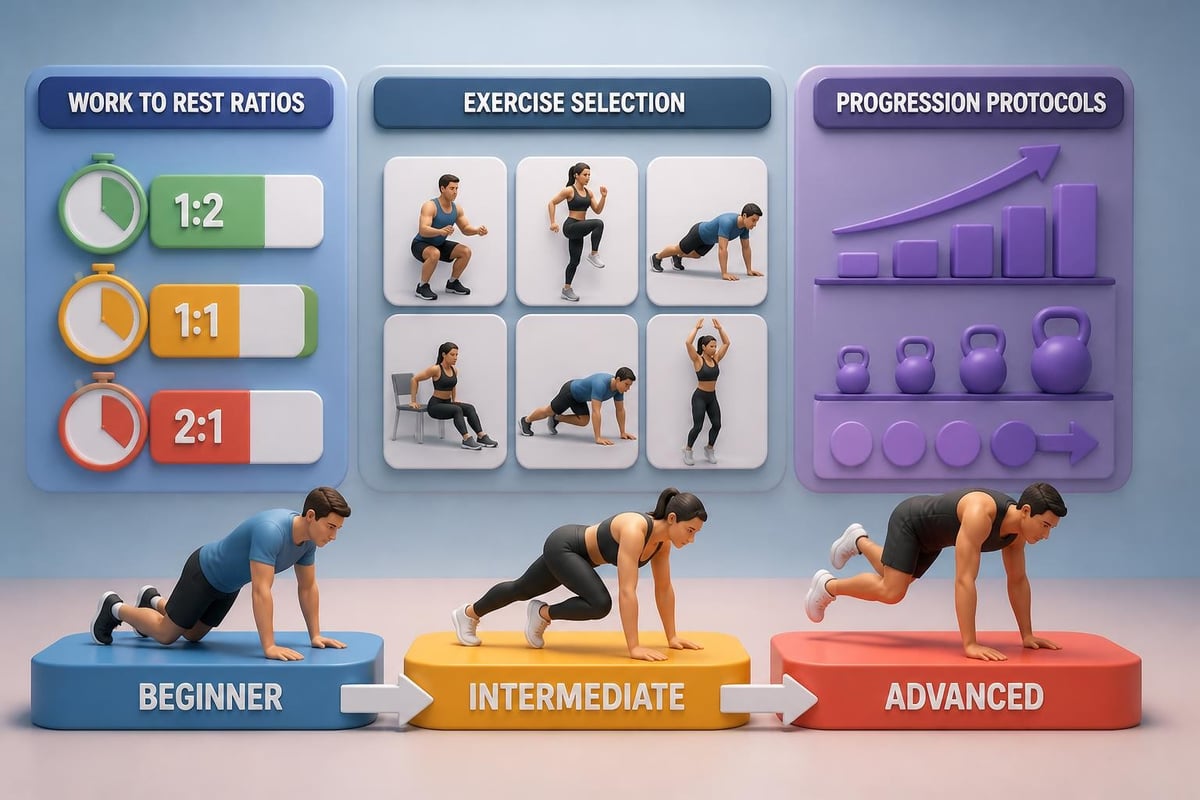
Aerobic conditioning forms a critical component of complete fitness programming. Home-based cardiovascular training offers numerous options beyond traditional running or cycling. High-Intensity Interval Training (HIIT) delivers superior results in compressed timeframes, alternating brief intense efforts with recovery periods.
Effective home cardio options include:
- Jump rope intervals (30 seconds work, 30 seconds rest)
- Bodyweight circuits (burpees, mountain climbers, jumping jacks)
- Stair climbing or step-ups
- Shadow boxing combinations
- Dance-based fitness programs
- Rowing machine intervals
Research published in PubMed Central examining home-based physical activity programs demonstrates that structured home workouts produce comparable cardiovascular improvements to supervised facility programs when participants maintain appropriate intensity and consistency.
Heart Rate Training Zones
Understanding training zones optimizes cardiovascular adaptations during your home fitness workout. Calculate your maximum heart rate (220 minus age) and train within specific zones for targeted benefits:
| Zone | Percentage of Max HR | Primary Benefit | Duration |
|---|---|---|---|
| 1 (Recovery) | 50-60% | Active recovery, warm-up | 5-15 min |
| 2 (Endurance) | 60-70% | Aerobic base building | 30-60 min |
| 3 (Tempo) | 70-80% | Lactate threshold improvement | 20-40 min |
| 4 (Threshold) | 80-90% | VO2 max development | 10-20 min |
| 5 (Maximum) | 90-100% | Speed, power | 1-5 min |
Mobility and Flexibility Integration
Mobility work prevents injury, enhances performance, and accelerates recovery between training sessions. A comprehensive home fitness workout dedicates 10-15 minutes to dynamic warm-up movements before training and static stretching afterward. This dual approach prepares tissues for activity while improving long-term range of motion.
Dynamic warm-up sequences should include:
- Hip circles and leg swings
- Arm circles and shoulder rotations
- Torso twists and cat-cow stretches
- Walking lunges with rotation
- Inchworms and world's greatest stretch
Yoga resistance rubber bands and a stretching pilates stick enhance stretching effectiveness by providing external assistance and progressive resistance. Post-workout static holds should last 30-60 seconds per muscle group, focusing on areas with particular tightness or restriction.
The Mayo Clinic guidance on maintaining momentum with home workouts emphasizes proper warm-up and cool-down protocols as injury prevention essentials. A quality massage roller for pilates and yoga facilitates self-myofascial release between training days.
Recovery Protocols for Home Athletes
Recovery determines how effectively your body adapts to training stimulus. Without adequate recovery, even the best-designed home fitness workout produces diminishing returns. Sleep, nutrition, hydration, and active recovery techniques collectively support muscle repair, nervous system restoration, and performance progression.
Multi-System Recovery Approach
Sleep optimization remains the foundation of recovery. Aim for 7-9 hours nightly, maintaining consistent sleep-wake schedules even on weekends. Quality sleep regulates hormones controlling muscle growth, fat metabolism, and stress response.
Nutrition timing supports recovery by delivering nutrients when muscles are most receptive. Consume protein (20-40g) and carbohydrates within 90 minutes post-workout to maximize glycogen replenishment and protein synthesis. Adequate daily protein intake (1.6-2.2g per kilogram bodyweight) ensures amino acid availability for tissue repair.
Hydration status affects performance and recovery significantly. Drink half your bodyweight in ounces daily, increasing intake on training days. Electrolyte balance matters for athletes training intensely or in warm environments.
Tools that accelerate recovery include:
- Foam rollers and massage tools for myofascial release
- Compression garments to reduce swelling and enhance circulation
- Contrast therapy (alternating hot/cold exposure)
- Active recovery sessions at low intensity
- Meditation and breathing practices for nervous system regulation
A handheld electric roller massager provides targeted muscle relaxation, while pure L-glutamine powder supports muscle recovery and gut health. The Cochrane systematic review of home-based rehabilitation confirms that properly structured home recovery protocols achieve outcomes comparable to supervised clinical programs.
Progressive Overload Strategies
Continuous improvement requires systematic progression in your home fitness workout variables. Without access to extensive equipment, home athletes must creatively manipulate training parameters to maintain progressive overload. Mechanical tension, metabolic stress, and muscle damage all trigger adaptation, each accessible through different programming approaches.
Progression Methods for Home Training
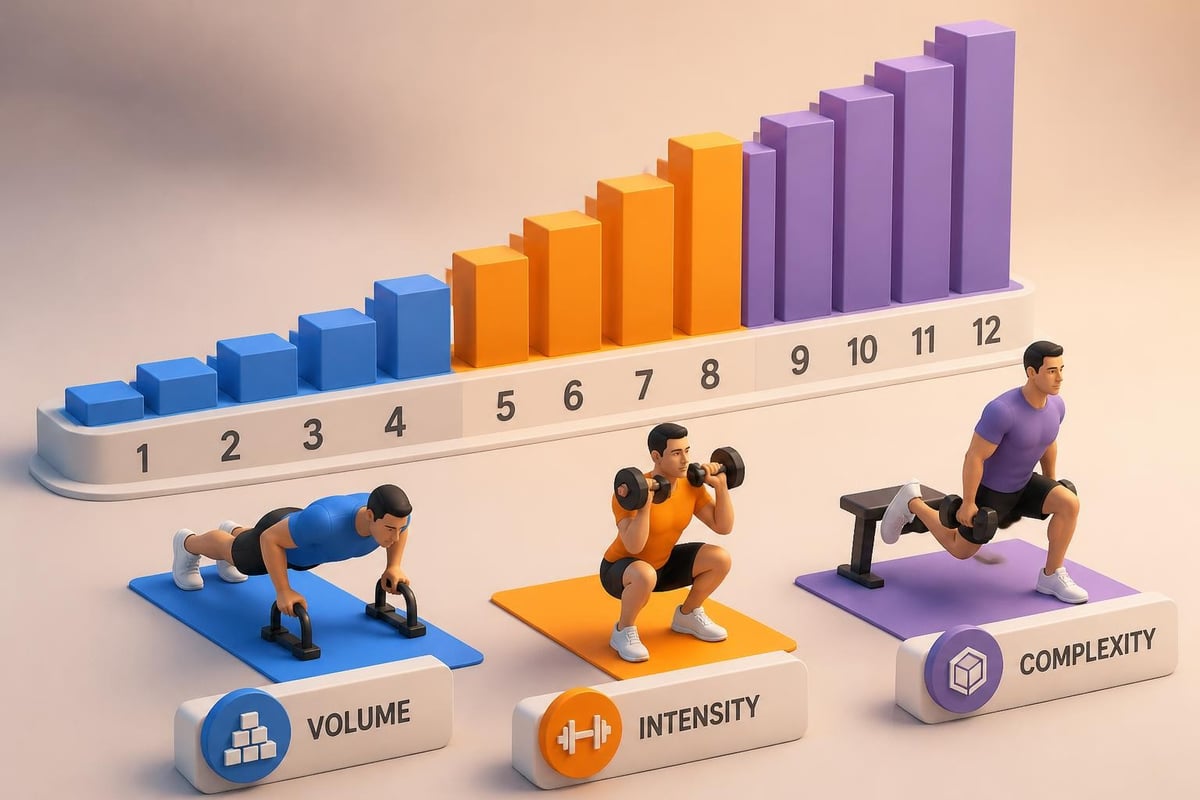
- Volume increases: Add sets, reps, or training frequency
- Intensity modifications: Decrease rest periods, increase tempo variations
- Range of motion expansion: Work through fuller ranges with control
- Unilateral emphasis: Single-limb work increases stability demands
- Tempo manipulation: Slower eccentrics (3-5 seconds) increase time under tension
| Progression Variable | Beginner | Intermediate | Advanced |
|---|---|---|---|
| Sets per exercise | 2-3 | 3-4 | 4-6 |
| Reps per set | 12-15 | 8-12 | 6-10 |
| Rest between sets | 60-90s | 45-60s | 30-45s |
| Training days/week | 2-3 | 3-4 | 4-6 |
| Exercises per session | 4-6 | 6-8 | 8-12 |
Specialized equipment like an ankle strap resistance band system enables progressive hip and leg strengthening. A comprehensive fitness equipment chest expander allows systematic resistance increases across multiple movement patterns.
Maintaining Consistency and Motivation
Long-term success with any home fitness workout depends more on consistency than perfection. Environmental design, habit stacking, and accountability systems help maintain regular training schedules despite competing demands and motivation fluctuations.
Environment design eliminates friction from workout initiation. Keep equipment visible and accessible, designate a specific training area, and prepare workout clothes the night before. These small adjustments reduce decision fatigue and increase follow-through.
Habit stacking links new behaviors to established routines. Attach your workout to an existing habit: "After my morning coffee, I complete my strength session" or "Before dinner preparation, I do 20 minutes of cardio." This neurological pairing strengthens workout automaticity.
Tracking and Accountability Systems
Systematic tracking reveals patterns, celebrates progress, and identifies areas needing adjustment. Record these metrics:
- Exercises, sets, reps, and weights used
- Workout duration and perceived exertion
- Body measurements every 2-4 weeks
- Energy levels and recovery quality
- Injuries or movement limitations
Social accountability amplifies commitment. Share goals with family, join online fitness communities, or hire a remote coach for programming guidance. The NHS Get Active resources provide free workout programs and condition-specific exercise guidance to supplement personal training.
Adapting Training for Special Populations
Home fitness workouts accommodate diverse needs across age ranges, fitness levels, and health conditions. Older adults, pregnant women, individuals with chronic conditions, and those recovering from injuries all benefit from customized home programming that respects their unique requirements.
Older adults should emphasize balance training, functional movement patterns, and bone density maintenance through resistance work. The systematic review of home-based programs for older adults demonstrates significant improvements in strength, balance, and fall prevention when programs include progressive resistance training twice weekly.
Prenatal and postnatal training requires modifications based on trimester and recovery stage. Focus on pelvic floor exercises, postural muscles, and maintaining cardiovascular fitness at moderate intensities. A post-partum recovery shaper bodysuit provides support during early recovery phases.
Chronic condition management through exercise requires medical clearance and often professional guidance. Conditions like diabetes, hypertension, and arthritis respond positively to appropriately dosed home exercise. Start conservatively, monitor symptoms, and progress gradually under healthcare provider supervision.
Advanced Training Techniques
Once you've established consistent training and mastered fundamental movements, advanced techniques add new stimulus to your home fitness workout. These methods increase training density, target weak points, and break through plateaus.
Supersets pair two exercises performed back-to-back with minimal rest, either targeting the same muscle group (compound sets) or opposing muscles (antagonist pairs). This approach increases workout efficiency and metabolic demand.
Drop sets involve training to failure, immediately reducing weight, and continuing for additional reps. With resistance bands or adjustable equipment, simply move to a lighter resistance level and push for maximum repetitions.
Time under tension manipulation extends eccentric (lowering) phases to 3-5 seconds, increasing mechanical stress without additional weight. This technique proves particularly effective for home athletes with limited resistance options.
Specialized tools support advanced training methods. A biceps rope and pull-down attachment enables varied grip positions and angles. A brachial strength device provides 40 different exercise variations for comprehensive arm development.
Nutrition Strategies for Home Athletes
Training stimulus represents only half the adaptation equation-nutrition provides the raw materials for recovery and growth. Home fitness enthusiasts require the same macronutrient attention as gym-goers, with protein, carbohydrates, and fats each serving distinct performance and recovery functions.
Protein intake should reach 1.6-2.2 grams per kilogram bodyweight daily, distributed across 3-5 meals for optimal muscle protein synthesis. Quality sources include lean meats, fish, eggs, dairy, legumes, and protein supplements. Plant protein supplements offering 21g per serving support muscle recovery while accommodating dietary preferences.
Carbohydrate timing fuels high-intensity training and replenishes glycogen stores. Consume faster-digesting carbs around workouts, while emphasizing whole grains, fruits, and vegetables throughout the day for sustained energy and micronutrient intake.
Healthy fats support hormone production, reduce inflammation, and enhance nutrient absorption. Include sources like avocados, nuts, seeds, olive oil, and fatty fish while targeting 20-35% of total calories from fat.
Supplementation fills nutritional gaps when whole food intake proves insufficient. Beyond protein powder, consider:
- Creatine monohydrate (3-5g daily) for strength and power
- Omega-3 fatty acids for inflammation management
- Vitamin D (especially for home trainers with limited sun exposure)
- Magnesium for muscle function and recovery
Turkesterone and tongkat ali supplements support lean muscle growth and stamina in 60-capsule vegan formulations designed for serious home athletes.
Optimizing Your Training Space
Your physical environment significantly impacts workout quality and consistency. Even small spaces transform into effective training zones with thoughtful organization and multi-purpose equipment selection. Visual cues, accessibility, and atmosphere collectively influence whether you train regularly or skip sessions.
Dedicate a specific area exclusively for exercise, even if space is limited. This psychological boundary signals "training mode" when you enter that zone. Keep the area clean, well-lit, and properly ventilated. Natural light exposure during morning workouts helps regulate circadian rhythms and boost mood.
Storage solutions maintain organization and safety. Wall-mounted racks hold resistance bands, while under-bed containers store mats and smaller equipment. A yoga wheel bag with large capacity keeps mobility tools organized and portable.
Mirror placement provides form feedback during exercises, though it's not essential. Alternatively, record sets on your phone to review technique. Proper footwear matters-professional non-slip gym yoga shoes provide stability for balance work while exercise pilates yoga socks offer grip for mat-based training.
Building an effective home fitness workout system requires strategic equipment selection, progressive programming, and consistent recovery practices. The fundamentals-compound movements, progressive overload, adequate nutrition, and systematic tracking-deliver results regardless of training location. Start with bodyweight basics, add versatile equipment as you progress, and maintain focus on long-term consistency over short-term intensity. SkyFitNet provides the quality training gear, recovery tools, and wellness essentials you need to train smarter and live stronger from home. Explore our comprehensive selection to build your complete home training solution today.