

Home Fitness Equipment: Build Your Perfect Workout Space

Building a home workout space has transformed from a luxury into a practical necessity for millions of people seeking consistent, convenient training options. The right home fitness equipment empowers you to maintain your health goals without the constraints of gym schedules, commutes, or membership fees. Whether you're establishing your first dedicated training area or upgrading an existing setup, understanding which tools deliver the most value for your specific objectives will help you invest wisely and train effectively. This guide explores the essential categories, strategic purchasing decisions, and practical considerations that make home fitness equipment a worthwhile investment in your long-term wellness.
Understanding Your Training Priorities
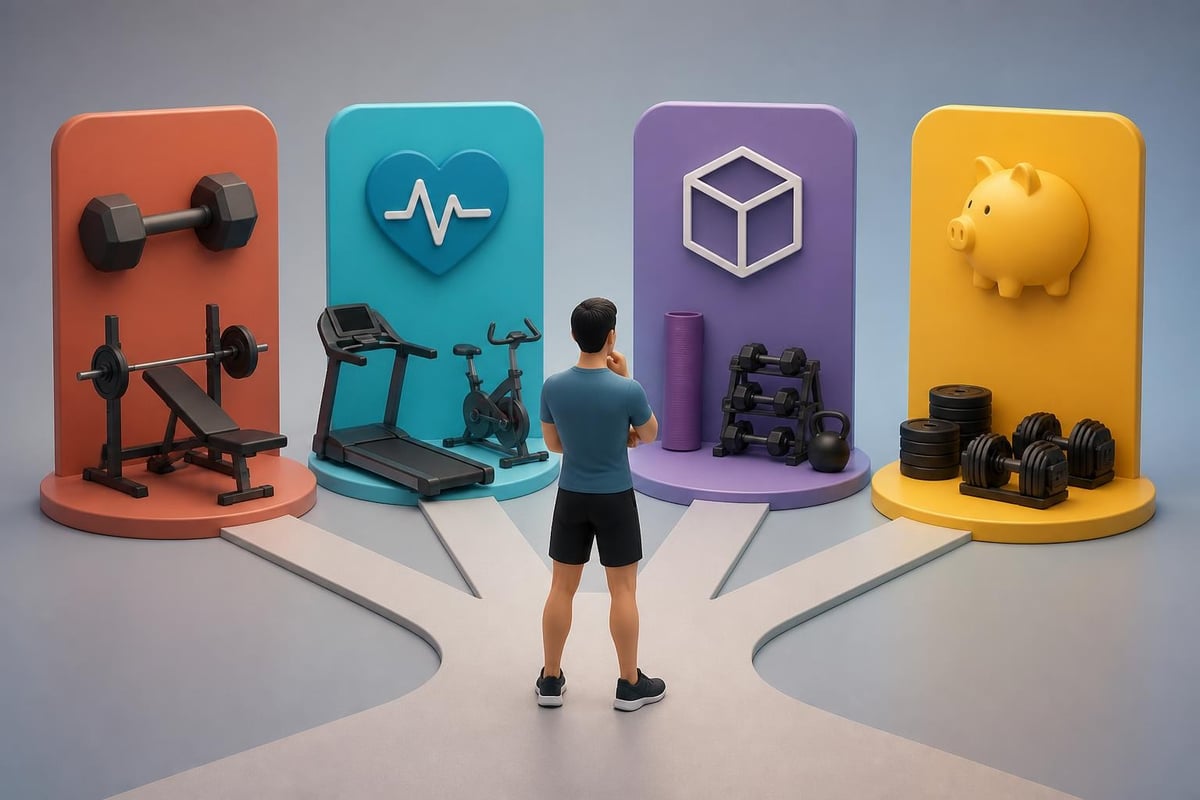
Before investing in home fitness equipment, you need a clear picture of your primary training goals. Different objectives require distinct equipment categories, and spreading your budget too thin across unnecessary items often leads to cluttered spaces and underutilized gear.
Strength Training Foundations
Strength development forms the cornerstone of most effective fitness programs, and fortunately, home fitness equipment for resistance training spans from minimal investments to comprehensive systems. Free weights such as adjustable dumbbells and kettlebells offer exceptional versatility, allowing progression across hundreds of exercises while occupying minimal floor space.
Resistance bands and suspension trainers provide portable, joint-friendly alternatives that accommodate all fitness levels. For those ready to build serious strength at home, barbell systems with adjustable weight plates create the foundation for compound movements like squats, deadlifts, and presses.
Essential strength equipment by investment level:
- Budget tier: Resistance bands, adjustable dumbbells, bodyweight leverage tools
- Mid-range tier: Kettlebell set, pull-up bar, weight bench
- Premium tier: Power rack, barbell and plate set, cable machine system
The progression should match your experience level and available space rather than follow arbitrary shopping lists.
Cardiovascular Equipment Selection
Cardio equipment represents one of the largest single purchases most people make for home fitness equipment collections. Treadmills, stationary bikes, rowing machines, and ellipticals each offer distinct benefits and drawbacks regarding impact level, muscle engagement, space requirements, and cost.
Rowing machines deliver full-body cardiovascular conditioning while building back and leg strength simultaneously. They fold vertically for storage in many models, making them space-efficient choices for apartment dwellers. Stationary bikes provide low-impact options ideal for joint preservation and recovery day conditioning, while assault bikes add intensity through upper-body engagement.
| Equipment Type | Impact Level | Space Required | Average Cost | Primary Muscles |
|---|---|---|---|---|
| Treadmill | High | Large | $800-$3,000 | Lower body |
| Stationary Bike | Low | Medium | $300-$2,500 | Lower body |
| Rowing Machine | Low | Medium-Large | $400-$2,000 | Full body |
| Elliptical | Low | Large | $500-$2,500 | Full body |
| Jump Rope | High | Minimal | $10-$50 | Full body |
When creating your customized home workout space, consider that jump ropes and stairs offer zero-cost cardio alternatives that many overlook in favor of expensive machines.
Space-Efficient Equipment Strategies
Square footage limitations often determine which home fitness equipment makes the final cut for your setup. Smart space utilization transforms even compact apartments into functional training environments through strategic equipment choices and storage solutions.
Multi-Functional Equipment Advantages
Single-purpose machines consume valuable real estate while delivering limited training variety. Multi-functional home fitness equipment maximizes your investment by replacing several specialized pieces with one versatile system.
Adjustable dumbbells replace entire dumbbell racks, condensing 10-15 weight pairs into compact units that adjust with simple dial mechanisms. Folding benches with adjustable inclines support dozens of pressing, rowing, and core exercises while storing vertically against walls. Doorway pull-up bars add vertical training dimensions without permanent installation.
The comprehensive approach to fitness gear emphasizes equipment that adapts to multiple movement patterns rather than restricting you to predetermined paths.
Vertical Storage Solutions
Wall-mounted storage systems and vertical racks reclaim floor space while keeping equipment organized and accessible. Pegboard systems accommodate resistance bands, jump ropes, yoga mats, and foam rollers. Squat racks with integrated pull-up bars and plate storage consolidate strength training into single footprints.
- Wall-mounted folding racks collapse when not in use
- Ceiling-mounted pulley systems enable cable exercises overhead
- Vertical medicine ball racks organize multiple weights efficiently
- Magnetic strip storage for small accessories and tools
SkyFitNet offers specialized training and recovery essentials designed for active lifestyles that demand space-conscious solutions.
Recovery and Mobility Tools
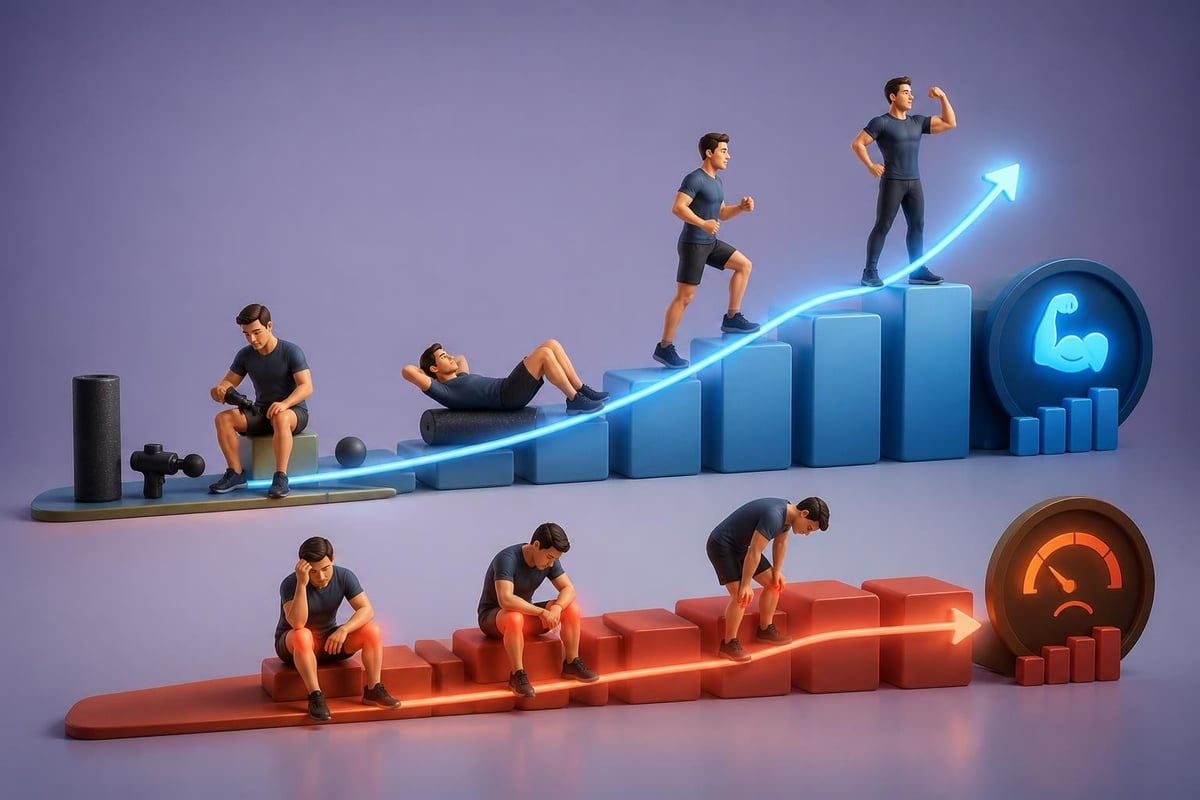
Home fitness equipment extends beyond training tools to encompass recovery, mobility, and injury prevention essentials. These often-overlooked categories directly impact your ability to train consistently and progress safely over time.
Foam Rollers and Massage Tools
Self-myofascial release through foam rolling reduces muscle tension, improves tissue quality, and accelerates recovery between training sessions. Standard foam rollers provide baseline functionality, while textured and vibrating models deliver deeper tissue work.
Massage guns have revolutionized home recovery protocols by delivering percussive therapy that enhances recovery speed and quality. These devices target specific muscle groups with variable intensity and interchangeable heads designed for different body regions.
Mobility work prevents the movement restrictions that lead to compensation patterns and eventual injury. Resistance bands specifically designed for stretching protocols, yoga blocks, and stretching straps all qualify as essential home fitness equipment for long-term joint health.
Active Recovery Essentials
Recovery equipment priority list:
- Foam roller (medium density for beginners)
- Lacrosse ball or massage ball set
- Resistance bands for mobility drills
- Yoga mat for floor-based stretching
- Massage gun for targeted muscle work
Dedicated recovery sessions using these tools improve training quality more effectively than additional workout volume without adequate tissue preparation. Understanding why recovery matters as much as training reshapes how you allocate equipment budgets.
Budget Planning and Investment Timing
Strategic purchasing prevents buyer's remorse and ensures your home fitness equipment collection grows deliberately rather than impulsively. Cost-effective planning prioritizes foundational pieces that support the widest exercise variety before adding specialized tools.
Phased Acquisition Approach
Beginning with minimal but versatile equipment establishes consistent training habits before major investments. This approach also reveals which training modalities you genuinely enjoy versus those that sound appealing but fail to maintain your interest.
Phase 1 - Foundation (Months 1-3):
- Resistance band set with varying tensions
- Adjustable dumbbells (up to 50 lbs per hand)
- Yoga mat and foam roller
- Pull-up bar or suspension trainer
Phase 2 - Expansion (Months 4-6):
- Weight bench (adjustable)
- Kettlebell set (12kg, 16kg, 24kg)
- Jump rope and ab wheel
- Additional recovery tools
Phase 3 - Specialization (Months 7-12):
- Cardio equipment selection
- Barbell and weight plates
- Power rack or squat stand
- Specialty items for specific goals
Spreading purchases across phases allows budget recovery between investments while building familiarity with equipment you already own. The Consumer Reports guide to setting up home gyms provides additional prioritization frameworks based on independent testing.
Quality Versus Quantity Considerations
Cheap home fitness equipment often creates false economy through rapid wear, safety concerns, and poor user experience that discourages consistent training. Weight plates should maintain accurate poundage ratings, benches must support your body weight with safety margins, and cardio machines require smooth, quiet operation for long-term satisfaction.
| Purchase Decision | Budget Option | Quality Option | Long-Term Value |
|---|---|---|---|
| Dumbbells | $1/lb | $2-3/lb | Higher (durability) |
| Weight Bench | $80-150 | $200-400 | Higher (stability, adjustment) |
| Resistance Bands | $15-25 set | $40-60 set | Higher (tear resistance) |
| Foam Roller | $10-15 | $30-50 | Similar (both adequate) |
| Cardio Machine | $300-600 | $1,500-3,000 | Higher (longevity, features) |
Investing in quality training essentials from established brands ensures safety standards, warranty protection, and equipment that supports rather than limits your progression.
Digital Integration and Smart Equipment
Modern home fitness equipment increasingly incorporates digital connectivity, workout tracking, and interactive training experiences. These features range from helpful additions to core functionality depending on your training style and motivation preferences.
Connected Fitness Platforms
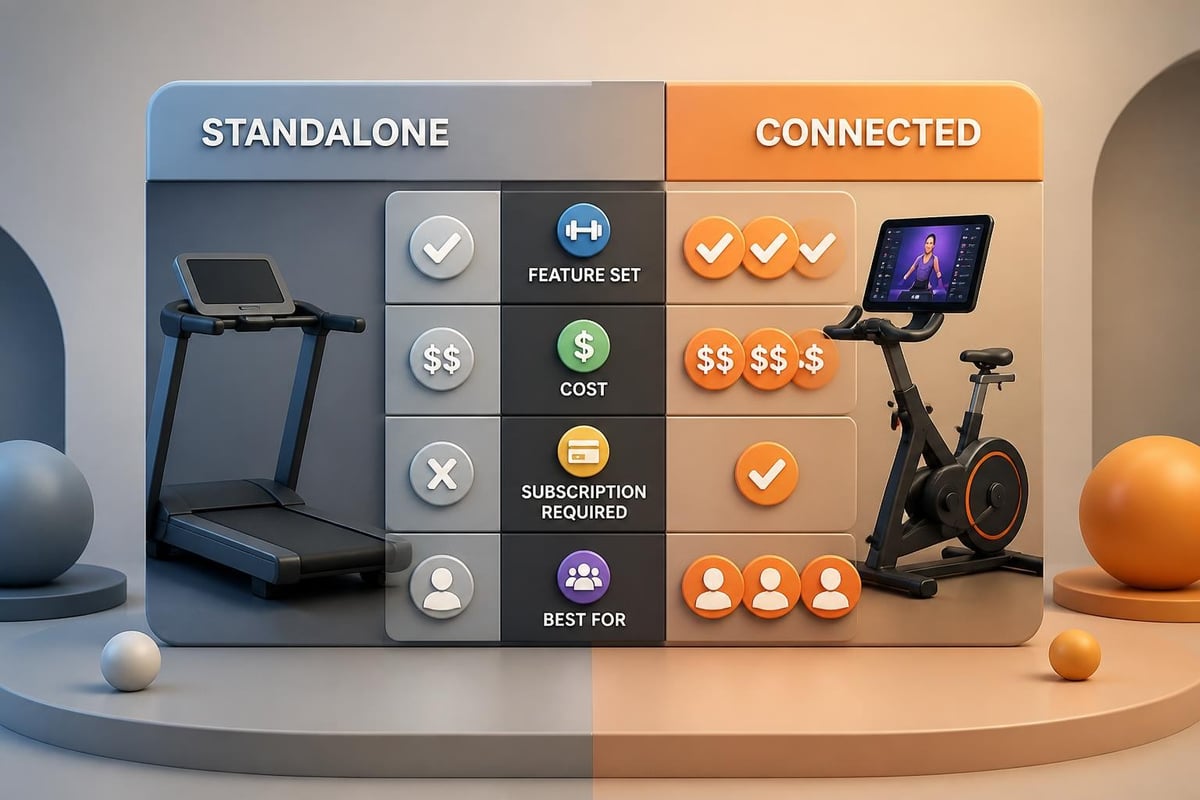
Smart bikes, treadmills, and rowing machines now offer subscription-based classes, performance tracking, and virtual training environments. While these features increase initial costs and create ongoing subscription expenses, they deliver structure and community that many people need for consistency.
Research on commercial exergames and home exercise effectiveness demonstrates measurable benefits for adherence and enjoyment, particularly among people who struggle with self-directed training. Virtual reality fitness applications transform cardio sessions into engaging experiences that disguise effort as entertainment.
Digital feature value assessment:
- High value: Workout tracking and progress visualization
- Medium value: On-demand class libraries and guided programs
- Variable value: Live classes and leaderboards (personality-dependent)
- Low value: Social features and gamification (for serious athletes)
The key question centers on whether digital features genuinely enhance your training consistency or simply add cost without behavioral change. Trying free NHS home workout videos first helps determine if structured guidance improves your adherence before purchasing equipment with expensive content subscriptions.
Safety Considerations and Setup Requirements
Proper installation and safety protocols prevent the injuries that transform home fitness equipment from wellness investments into liability hazards. Space preparation, equipment assembly, and usage education require attention before your first workout.
Flooring and Structural Support
Weight-bearing equipment demands appropriate flooring that protects both your floor surfaces and the equipment itself. Rubber mats designed for gym use absorb impact, reduce noise transmission, and prevent damage to subflooring. Thicker mats (3/4 inch) suit heavy lifting areas, while standard 1/2 inch mats work for general training zones.
Cardio machines generate vibration and movement that can damage floors and create noise issues in multi-story buildings. Ensure your floor structure supports concentrated weight loads, particularly for treadmills that combine equipment mass with dynamic user impact forces.
Pull-up bars and wall-mounted equipment require proper anchoring into studs rather than drywall alone. Weight capacities should exceed your body weight by comfortable margins, and installation should follow manufacturer specifications exactly.
Maintenance and Inspection Protocols
Home fitness equipment requires regular maintenance despite residential use patterns generating less wear than commercial gym environments. Monthly inspections should check:
- Cable and band integrity for fraying or damage
- Bolt tightness on weight equipment
- Moving part lubrication on cardio machines
- Weight collar security and function
- Floor mat positioning and wear patterns
Following expert tips for maintaining workout momentum includes environment maintenance alongside training consistency habits. Equipment that works smoothly removes friction from training initiation.
Specialty Equipment for Specific Goals
Beyond foundational home fitness equipment, specialized tools support particular training methodologies, sport-specific preparation, and advanced progression strategies. These additions make sense after establishing consistent training habits with basic equipment.
Sport-Specific Training Tools
Athletes preparing for specific sports often require equipment that mimics competition movements or develops relevant energy systems. Agility ladders, speed parachutes, plyometric boxes, and medicine balls all serve distinct athletic development purposes.
Combat sports athletes need heavy bags, speed bags, and striking pads. Cyclists benefit from smart trainers that simulate outdoor terrain. Swimmers use resistance cords and pull-up variations that build sport-specific pulling strength.
The biomechanical precision required for optimal performance makes equipment selection for advanced training particularly important, as poor tool design creates movement compensations that undermine sport skill development.
Rehabilitation and Prehabilitation Equipment
People managing injuries or preventing recurrence need home fitness equipment that supports controlled, progressive loading of healing tissues. Resistance bands provide variable tension without the momentum and coordination demands of free weights.
Balance trainers like BOSU balls and stability discs challenge proprioception and joint stability. Slider discs enable controlled eccentric movements that build resilience in vulnerable joints. Therapy putty and grip strengtheners support hand and wrist rehabilitation.
These tools overlap with general fitness equipment but serve specific therapeutic purposes when programmed appropriately. Professional guidance from physical therapists ensures proper exercise selection and progression timing.
Programming Your Equipment Collection
Owning home fitness equipment provides zero benefit without structured programming that applies the tools toward specific adaptations. Random exercise selection based on momentary preference typically produces minimal results compared to deliberate progression protocols.
Creating Balanced Training Splits
Your equipment collection should support balanced training that addresses all major movement patterns across the week. Push movements (presses, extensions), pull movements (rows, curls), leg exercises (squats, lunges, hinges), and core work all require dedicated attention.
Sample weekly split using minimal home fitness equipment:
Monday - Upper Push/Pull:
- Dumbbell bench press variations
- Resistance band rows
- Dumbbell shoulder presses
- Pull-up bar chin-ups
- Tricep and bicep isolation
Wednesday - Lower Body/Core:
- Goblet squats with kettlebell
- Romanian deadlifts with dumbbells
- Lunges and step-ups
- Core circuit with ab wheel
- Mobility work with bands
Friday - Full Body/Cardio:
- Complex movements combining exercises
- Kettlebell swings and snatches
- Jump rope intervals
- Rowing machine or bike conditioning
This framework demonstrates how limited equipment supports comprehensive training when programmed intelligently. The principle of consistency beating intensity applies equally to home and gym training.
Progressive Overload Strategies
Home fitness equipment enables multiple progression methods beyond simply adding weight. Increasing repetitions, reducing rest periods, improving movement quality, and manipulating tempo all create adaptive stress.
Adjustable dumbbells facilitate straightforward load increases as strength develops. Resistance bands enable micro-loading through varying band tensions or doubling lighter bands. Cardio equipment allows precise manipulation of speed, resistance, and duration variables.
Tracking these variables through training logs ensures progressive overload occurs systematically rather than haphazardly. Digital apps, simple spreadsheets, or paper notebooks all serve this purpose effectively.
Environmental Optimization
The physical environment surrounding your home fitness equipment significantly impacts training consistency and quality. Deliberate design choices transform garage corners and spare bedrooms into motivating training environments.
Lighting and Ventilation
Adequate lighting prevents form deterioration caused by poor visibility and reduces injury risk. Natural light provides ideal conditions, but quality LED panels work well in windowless spaces. Position lighting to eliminate shadows across equipment and movement areas.
Ventilation becomes critical during intense training sessions that elevate body temperature and perspiration. Fans circulate air effectively in most home environments, while portable air conditioning units support summer training in hot climates. Open windows work when weather permits and noise considerations allow.
Temperature regulation affects both performance and equipment longevity. Extreme heat or cold exposure damages certain home fitness equipment components, particularly electronics in cardio machines and elastic properties in resistance bands.
Motivational Design Elements
Visual cues influence behavior more powerfully than most people recognize. Mirrors provide movement feedback and create visual space expansion in compact areas. Motivational quotes, progress photos, and goal tracking boards maintain focus on long-term objectives.
Music systems or quality headphones enhance training enjoyment and support intensity through tempo manipulation. Dedicated training spaces separated from living areas help establish psychological boundaries between work, rest, and training time.
Keeping equipment visible rather than stored away reduces initiation friction. The few seconds required to retrieve stored dumbbells creates surprising resistance to starting workouts on low-motivation days.
Building an effective home training environment requires thoughtful equipment selection, strategic space utilization, and deliberate programming that converts gear into measurable results. The foundational pieces covered throughout this guide provide the essential tools needed for comprehensive strength development, cardiovascular conditioning, and recovery support without requiring commercial gym access. Whether you're establishing your first dedicated workout space or refining an existing setup, prioritizing versatile equipment that aligns with your specific goals ensures every dollar spent contributes to long-term fitness success. SkyFitNet delivers the quality training, recovery, and mobility essentials you need to build smarter home workout systems that support consistent progression and help you live stronger every day.