

Building Your Perfect Fitness Routine in 2026

Creating a sustainable fitness routine requires more than enthusiasm and good intentions. It demands strategic planning, consistent execution, and a deep understanding of how different training modalities work together to build strength, endurance, and overall wellness. Whether you're returning to exercise after a break or refining an existing program, the principles of effective training remain constant: progressive overload, adequate recovery, proper nutrition, and realistic goal-setting. The key lies in building a framework that adapts to your schedule, responds to your body's signals, and evolves as you grow stronger.
Understanding the Foundations of Effective Training
A well-designed fitness routine balances multiple training variables to produce measurable results without leading to burnout or injury. According to the World Health Organization's physical activity guidelines, adults should aim for 150-300 minutes of moderate-intensity aerobic activity or 75-150 minutes of vigorous-intensity activity weekly, combined with muscle-strengthening activities on two or more days per week.
The foundation of any successful program rests on four pillars: strength training, cardiovascular conditioning, mobility work, and recovery protocols. Each component serves a distinct purpose, yet they function synergistically to enhance overall performance and reduce injury risk.
Strength Training Fundamentals
Resistance training forms the backbone of most effective fitness programs. Building muscle tissue not only increases metabolic rate but also supports joint health, improves bone density, and enhances functional capacity for daily activities.
Your strength training approach should incorporate:
- Compound movements that engage multiple muscle groups simultaneously
- Progressive overload through gradual increases in weight, volume, or intensity
- Adequate rest intervals between sets (60-180 seconds depending on goals)
- Proper form prioritized over maximum load
- Balanced programming addressing all major muscle groups
Harvard Health's strength training guidance emphasizes starting with lighter weights to master technique before advancing to heavier loads. This approach minimizes injury risk while establishing movement patterns that will serve you throughout your training journey.
When selecting equipment for your fitness routine, quality resistance tools make a significant difference. Products like the multi-functional fitness strength resistance training tensioner offer versatile options for both beginners and advanced trainees.
Designing Your Weekly Training Split
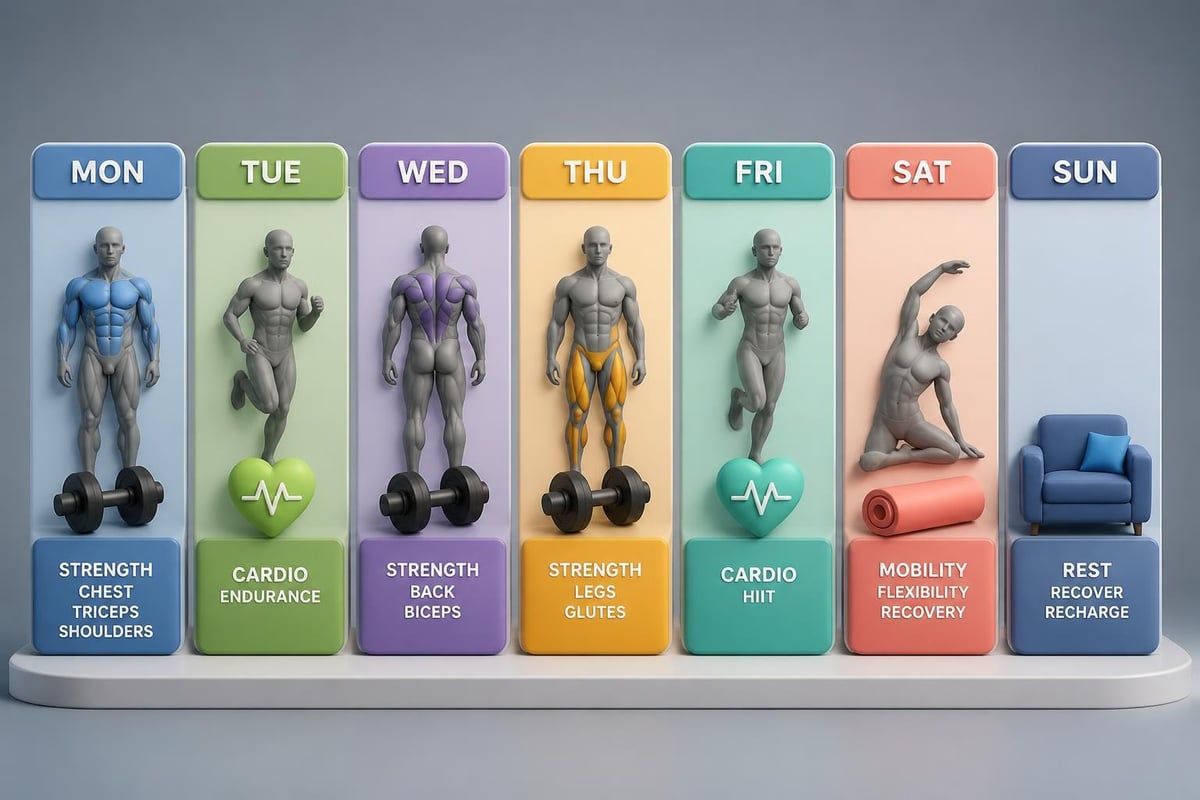
The organization of your weekly schedule determines how effectively your body adapts to training stress. Most fitness enthusiasts benefit from one of three common approaches: full-body training, upper/lower splits, or push/pull/legs divisions.
| Training Split | Frequency | Best For | Recovery Time |
|---|---|---|---|
| Full-Body | 3-4x/week | Beginners, time-limited schedules | 48-72 hours between sessions |
| Upper/Lower | 4x/week | Intermediate trainees, balanced development | 48 hours per body region |
| Push/Pull/Legs | 6x/week | Advanced trainees, muscle building | 72 hours per movement pattern |
Full-body routines work exceptionally well for those new to structured training or managing busy schedules. Training each major muscle group three times per week with adequate rest between sessions provides sufficient stimulus for adaptation while preventing overtraining.
Upper/lower splits separate training days into upper-body and lower-body focused sessions. This approach allows for increased volume per muscle group while maintaining reasonable workout duration.
Integrating Cardiovascular Conditioning
Cardiovascular training improves heart health, enhances endurance, and supports recovery between strength sessions. The American College of Sports Medicine position stands provide evidence-based recommendations for aerobic exercise prescription across different populations.
Your cardio approach should complement, not compromise, your strength goals:
- Low-intensity steady state (LISS) for recovery and aerobic base building
- High-intensity interval training (HIIT) for time efficiency and metabolic adaptation
- Moderate-intensity continuous training for endurance and cardiovascular health
- Active recovery sessions using walking, cycling, or swimming
Strategic placement of cardio sessions within your weekly fitness routine prevents interference with strength adaptations. Schedule high-intensity cardio on the same days as strength training or on separate days with at least 6-8 hours between sessions.
Recovery and Mobility Integration
Recovery represents the often-overlooked component where actual adaptation occurs. Training provides the stimulus, but rest and recovery enable the physiological changes that increase strength, endurance, and muscle mass.
Effective recovery encompasses multiple strategies:
- Adequate sleep (7-9 hours for most adults)
- Proper nutrition with sufficient protein and micronutrients
- Active recovery through light movement on rest days
- Mobility work addressing movement restrictions
- Stress management to optimize hormonal balance
Mobility training deserves dedicated attention within your fitness routine. Tools like yoga resistance rubber bands facilitate dynamic stretching and movement preparation that enhances performance and reduces injury risk.
Implementing Mobility Protocols
Dedicate 10-15 minutes before training sessions to dynamic warm-up movements that prepare your body for loaded exercises. Post-workout, spend 5-10 minutes on static stretching or foam rolling to maintain tissue quality and range of motion.
Equipment designed for recovery work provides valuable support between training days. The handheld electric roller massager offers convenient muscle tension relief that accelerates recovery processes.
Nutrition Timing and Fueling Strategy
Your fitness routine performance depends heavily on proper nutritional support. The Academy of Nutrition and Dietetics exercise-nutrition guidance outlines evidence-based recommendations for fueling training and optimizing recovery.
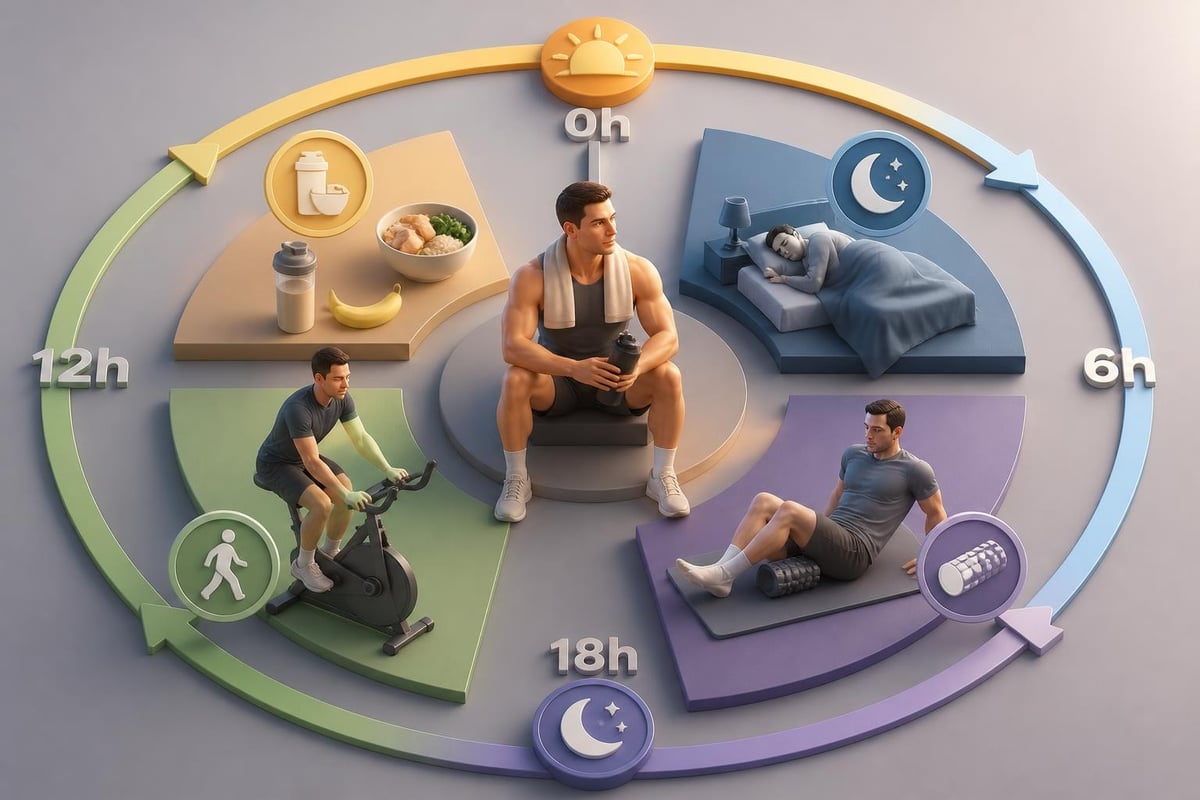
Pre-workout nutrition should provide readily available energy without causing digestive distress. Consume a balanced meal 2-3 hours before training or a smaller snack 30-60 minutes prior focusing on easily digestible carbohydrates and moderate protein.
Post-workout nutrition within the 2-hour window following training supports recovery and adaptation:
- Protein (20-40 grams) to stimulate muscle protein synthesis
- Carbohydrates (0.5-0.7 grams per pound of body weight) to replenish glycogen
- Hydration replacing fluid lost through sweat
- Micronutrients from whole food sources supporting cellular repair
| Meal Timing | Primary Goal | Macronutrient Focus | Example Foods |
|---|---|---|---|
| Pre-workout (2-3h) | Sustained energy | Balanced carbs/protein | Oatmeal with berries, chicken and rice |
| Pre-workout (30-60min) | Quick fuel | Simple carbs | Banana, rice cakes with honey |
| Post-workout (0-2h) | Recovery initiation | Protein + carbs | Protein shake with fruit, eggs and toast |
| Daily baseline | Overall recovery | Balanced macros | Whole foods across all meals |
Supplements like plant protein powder offer convenient options for meeting protein requirements, particularly when whole food sources aren't immediately available post-training.
Tracking Progress and Adjusting Variables
Monitoring your fitness routine allows data-driven decisions about progression and necessary adjustments. While subjective measures like energy levels and workout performance provide valuable feedback, objective tracking offers clearer insights into adaptation.
Recent research on consumer wearable technology accuracy reveals both the capabilities and limitations of fitness trackers. These devices generally perform well for step counting and heart rate monitoring during steady-state activity but show variable accuracy for calorie expenditure and exercise intensity estimation.
Meaningful Metrics to Monitor
Focus on tracking variables that directly reflect your training goals:
- Strength progression through loads lifted for target repetitions
- Work capacity via total volume (sets × reps × weight)
- Endurance markers including time to completion or distance covered
- Body composition through measurements, photos, or assessments
- Recovery indicators such as resting heart rate and sleep quality
A 2024 systematic review on wearable accuracy found that while these devices provide useful trends over time, they shouldn't replace professional assessment for medical or performance decisions.
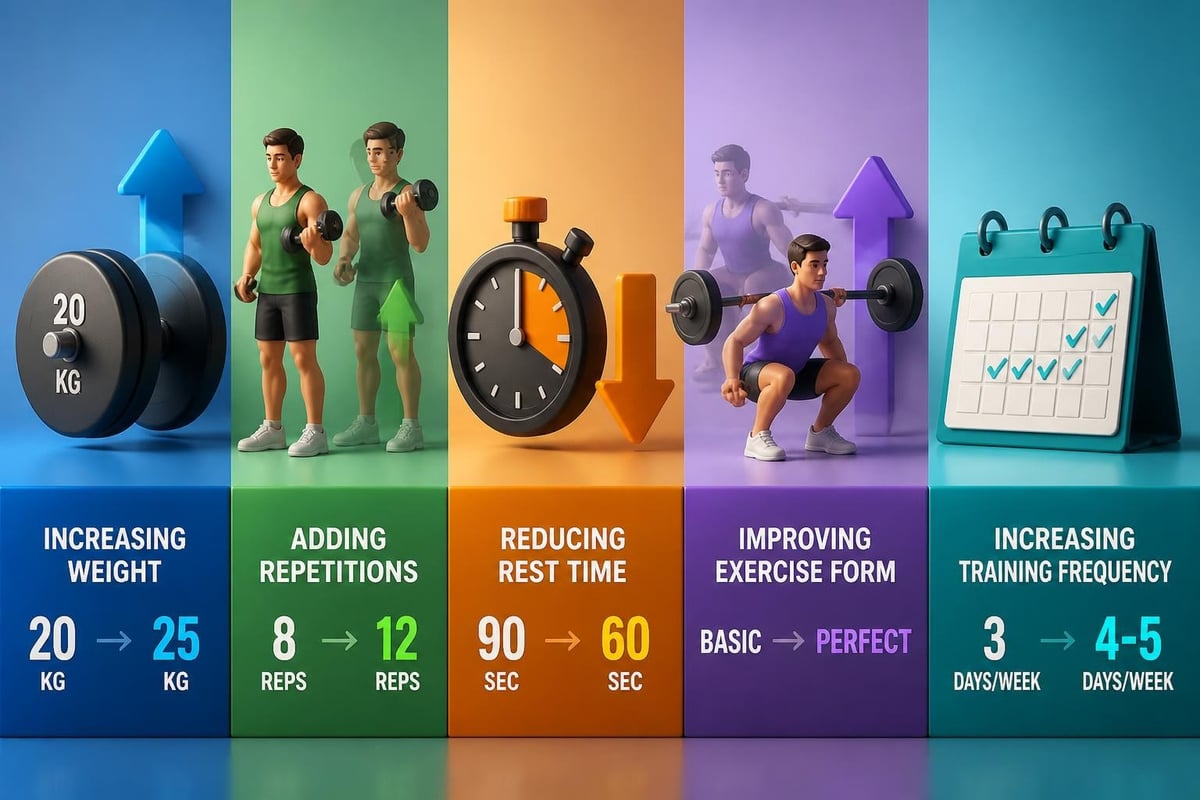
Adjust training variables every 4-6 weeks to prevent plateaus and maintain progressive overload. Modifications might include increasing weight, adding repetitions, reducing rest intervals, or changing exercise selection.
Building Long-Term Adherence
The most sophisticated fitness routine fails without consistent execution. Sustainability trumps intensity when building lifelong training habits.
Environmental design significantly influences adherence. Prepare your training space, lay out workout clothes the night before, and schedule sessions as non-negotiable appointments. Having quality equipment readily available removes friction from the training process.
Specialized tools for targeted work, such as forearm strength training devices, enable focused development of specific muscle groups that support your primary lifts and activities.
Create accountability through:
- Training partners or group classes
- Progress photos taken monthly
- Written workout logs tracking all sessions
- Public commitment to specific goals
- Professional coaching or programming
Flexibility within structure prevents the all-or-nothing mindset that derails many training programs. Missing one session doesn't invalidate your entire fitness routine. Adjust the week's remaining workouts and continue forward.
Program Periodization for Continued Progress
Advanced trainees benefit from periodized programming that systematically varies training variables across weeks or months. This approach manages fatigue accumulation while driving continued adaptation.
Basic periodization models include:
- Linear periodization - gradual progression from higher volume/lower intensity toward lower volume/higher intensity
- Undulating periodization - varying intensity and volume within the same week or between sessions
- Block periodization - dedicating specific training blocks to targeted adaptations
For most recreational athletes, simple linear progression suffices. Increase resistance by 2.5-5% when you can complete target repetitions with proper form across all sets. When progress stalls, implement a deload week at 50-60% of normal training volume before resuming progression.
The specific needs of your fitness routine evolve as you advance. Beginners progress rapidly with simple full-body programs, while intermediate trainees require more sophisticated programming to continue adapting.
Addressing Common Training Challenges
Obstacles inevitably arise when maintaining a consistent fitness routine. Recognizing common challenges and having predetermined solutions preserves momentum.
Time constraints rank among the most frequent barriers. High-intensity circuit training, supersets pairing opposing muscle groups, or condensed full-body sessions deliver substantial training stimulus in 30-45 minutes. Quality tools like resistance training chest expanders enable effective home workouts when gym access becomes difficult.
Motivation fluctuations affect everyone. Rather than relying on motivation, build systems and habits that operate regardless of emotional state. Action often precedes motivation; starting the workout typically reignites enthusiasm.
Plateau periods signal the need for program adjustments. Introduce new exercises, modify rep ranges, adjust rest intervals, or temporarily increase training frequency to provide novel stimulus.
Injury prevention through proper warm-ups, progressive loading, and attention to recovery signals keeps you training consistently. Minor discomfort differs from pain signaling tissue damage. Learn to distinguish productive training stress from warning signs requiring rest or medical attention.
Customizing for Individual Goals and Constraints
Your optimal fitness routine reflects your specific objectives, schedule limitations, and recovery capacity. No single program works equally well for everyone.
Muscle building requires progressive overload in the 6-12 repetition range with sufficient weekly volume (10-20 sets per muscle group) and caloric surplus supporting tissue growth.
Strength development emphasizes lower repetition ranges (1-6 reps) with heavier loads and longer rest intervals, typically requiring 3-6 days weekly training frequency.
Endurance enhancement prioritizes cardiovascular training volume with strategic high-intensity intervals and adequate fueling to support energy demands.
General fitness balances all components with 3-4 training days weekly combining resistance work, moderate cardio, and mobility practice.
Visit the SkyFitNet FAQ section for additional guidance on selecting equipment and programming strategies aligned with your specific situation.
Age, training history, injury background, and lifestyle factors all influence programming decisions. A 25-year-old with five years of training history requires different volume and intensity than a 50-year-old beginning structured exercise for the first time.
Seasonal and Lifestyle Adjustments
Your fitness routine should flex with life's changing demands rather than adding stress during busy periods. Competitive athletes periodize training around competition seasons, while recreational trainees might adjust around work cycles, family commitments, or travel schedules.
Maintenance phases using reduced volume (typically one-third to one-half of growth phase volume) preserve strength and conditioning gains during high-stress life periods. Two quality sessions weekly maintain most adaptations for several weeks.
Travel disrupts normal routines but doesn't eliminate training options. Bodyweight exercises, resistance bands, and hotel gym equipment provide sufficient stimulus to minimize detraining effects.
Building and maintaining an effective fitness routine requires balancing scientific principles with practical application tailored to your unique circumstances. The foundation rests on progressive resistance training, strategic cardiovascular work, dedicated recovery protocols, and proper nutrition timed to support your training demands. Whether you're developing foundational strength, pursuing specific performance goals, or simply maintaining wellness and vitality, consistency over time produces results that short-term intensity cannot match. SkyFitNet provides the quality training equipment, recovery tools, and wellness essentials you need to support every phase of your fitness journey, helping you train smarter, recover better, and live stronger.