

Fitness Gear Olympic Weight Set: Complete Buying Guide

Building a home gym or upgrading your training space requires smart investment decisions, and few pieces of equipment offer more versatility than a quality fitness gear olympic weight set. Whether you're pursuing strength gains, muscle development, or athletic performance, Olympic weights provide the foundation for countless exercises and training protocols. Understanding what separates Olympic equipment from standard weights, how to evaluate quality construction, and which configuration suits your specific goals will help you make an informed purchase that supports years of consistent progress.
Understanding Olympic Weight Standards
Olympic weight sets follow precise specifications established by international weightlifting federations. The defining characteristic is the 2-inch (50mm) diameter sleeve on the barbell, compared to the 1-inch sleeve found on standard sets. This larger diameter accommodates heavier loads and enables smoother rotation during dynamic lifts like cleans and snatches.
The standard Olympic barbell measures 7 feet (2.2 meters) long for men's bars and typically weighs 45 pounds (20kg). Women's bars measure 6.5 feet and weigh 33 pounds (15kg). These specifications ensure consistency whether you're training at home or in a commercial facility.
Weight plates for Olympic sets come in standardized increments:
- 2.5 lb / 1.25 kg (change plates)
- 5 lb / 2.5 kg (change plates)
- 10 lb / 5 kg
- 25 lb / 10 kg
- 35 lb / 15 kg
- 45 lb / 20 kg
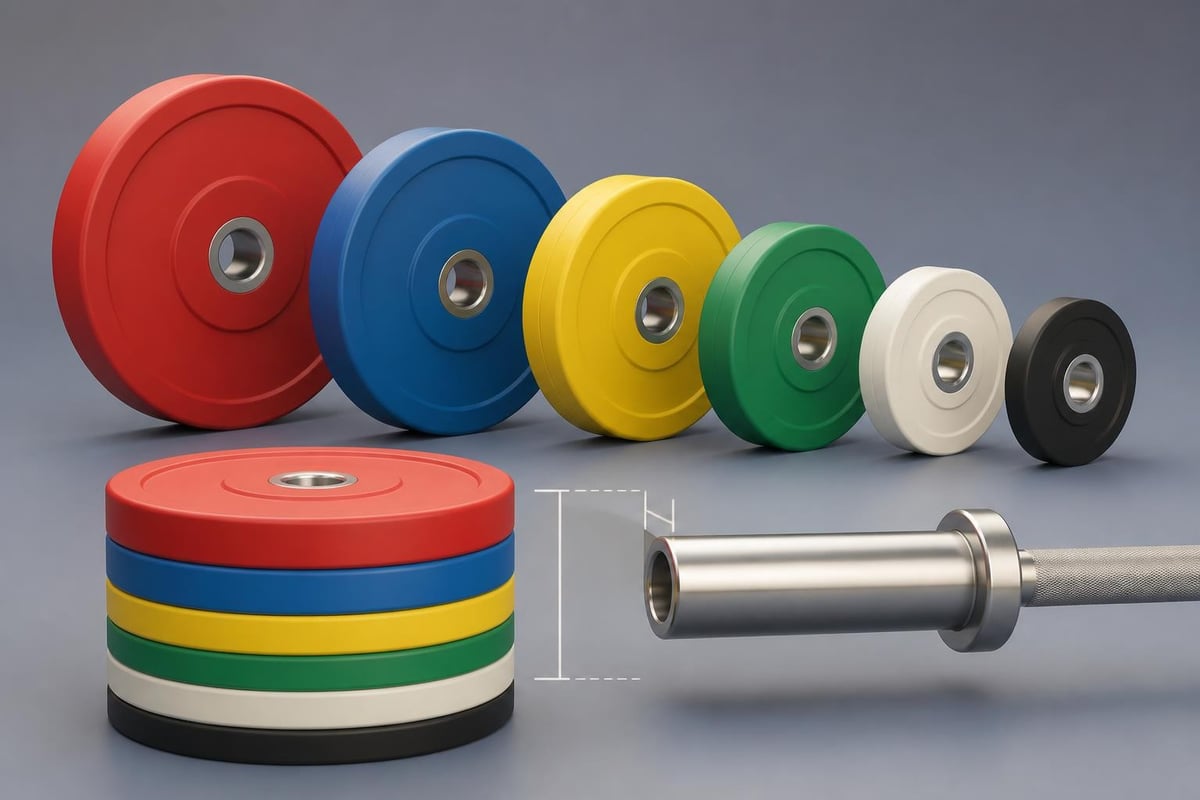
The ASTM F2276-23 standard specification for fitness equipment provides manufacturing guidelines that ensure safety and durability across different brands and price points.
Material Construction and Durability
A fitness gear olympic weight set can feature several construction types, each with distinct advantages. Cast iron plates offer the most economical entry point, providing solid durability without premium features. These plates work exceptionally well for general strength training and bodybuilding applications.
Rubber-coated or bumper plates add protective layering that reduces noise, protects flooring, and extends equipment lifespan. Competition bumper plates meet strict diameter and bounce specifications, while training bumpers prioritize durability over precision tolerances.
| Plate Type | Best For | Durability | Noise Level | Price Range |
|---|---|---|---|---|
| Cast Iron | General strength training | High | Loud | $ |
| Rubber Coated | Home gyms | Very High | Moderate | $$ |
| Bumper Plates | Olympic lifts | High | Low | $$$ |
| Competition Bumpers | Serious athletes | Moderate | Very Low | $$$$ |
Steel plate construction with machined finishes provides the thinnest profile, allowing maximum weight loading on the barbell sleeve. Powerlifters and strength athletes often prefer steel plates for this reason.
Barbell Quality and Specifications
The barbell represents the most critical component of your fitness gear olympic weight set. Quality variations significantly impact performance, safety, and longevity. Understanding key specifications helps you identify bars that match your training style.
Tensile Strength and Load Capacity
Tensile strength measures the bar's resistance to breaking under load. Entry-level bars typically rate around 130,000 PSI, adequate for general fitness and moderate loads. Intermediate bars range from 150,000 to 180,000 PSI, supporting serious strength training.
Premium barbells exceed 190,000 PSI, with some specialty bars reaching 215,000 PSI for extreme loading scenarios. The American College of Sports Medicine provides evidence-based guidance on resistance training that emphasizes proper equipment selection for safe progressive overload.
Weight capacity should exceed your maximum anticipated load by at least 20%. A bar rated for 1,000 pounds provides adequate safety margin for most home gym applications, while competitive lifters benefit from 1,500-pound capacities.
Knurling, Spin, and Finish
Knurling patterns affect grip security and comfort. Moderate knurling works well for most exercises, while aggressive knurling suits heavy deadlifts and competitive lifting. The center knurling helps with back squats but can irritate during front squats and Olympic lifts.
Bearing systems versus bushing systems determine sleeve rotation quality. Needle bearings provide the smoothest spin for Olympic weightlifting movements, while bronze bushings offer adequate rotation at lower cost for powerlifting and general training.
Finish options include:
- Bare steel: Best spin, requires maintenance
- Black oxide: Corrosion resistance, moderate grip
- Chrome: Excellent durability, slippery when wet
- Cerakote: Premium protection, various colors
- Stainless steel: Superior corrosion resistance, expensive
Selecting the Right Weight Configuration
Determining appropriate total weight for your fitness gear olympic weight set depends on current strength levels, training goals, and progression timeline. A strategic approach prevents both overspending on unused plates and underbuying, which forces premature expansion.
Beginner Weight Recommendations
New lifters benefit from sets totaling 160 to 230 pounds including the barbell. This range supports fundamental movement pattern development across major lifts:
- Squats: 65-135 lbs
- Deadlifts: 95-155 lbs
- Bench Press: 45-95 lbs
- Overhead Press: 45-75 lbs
A typical beginner configuration includes:
- 1 x 45 lb barbell
- 2 x 45 lb plates
- 2 x 25 lb plates
- 2 x 10 lb plates
- 2 x 5 lb plates
- 2 x 2.5 lb plates
Intermediate to Advanced Configurations
Experienced lifters typically require 300 to 400+ pounds total weight. This capacity accommodates progressive overload across multiple training cycles and supports advanced programming like strength resistance training protocols.

Athletes focusing on Olympic weightlifting should prioritize bumper plate sets that allow safe dropping from overhead positions. Powerlifters benefit from additional 45-pound plates to maximize barbell loading capacity during competition-style training.
Storage and Safety Considerations
Proper storage extends equipment lifespan and maintains training area safety. A dedicated weight tree or plate rack prevents floor damage and keeps plates organized by weight increment. Horizontal plate storage reduces trip hazards compared to floor stacking.
Barbell storage requires either wall-mounted hooks, vertical stands, or dedicated barbell holders. Wall mounting saves floor space but requires secure installation into studs. Freestanding racks offer portability and easy repositioning.
Safety equipment complements your fitness gear olympic weight set:
- Spring collars or OSO collars secure plates during lifts
- Rubber flooring or lifting platforms protect subfloors
- Power rack or squat stands enable safe training without spotters
- Fractional plates (0.5-1.25 lb) support micro-loading progression
The USA Weightlifting technical rules outline competition equipment standards that inform quality expectations even for home training environments.
Maintenance and Longevity
Regular maintenance preserves performance and appearance. Steel components benefit from periodic cleaning with a wire brush followed by light oil application to prevent rust. Rubber-coated plates require only basic cleaning with mild soap and water.
Barbell maintenance involves:
- Brushing chalk and debris from knurling
- Checking sleeve rotation and adding lubricant if needed
- Inspecting for bending or damage
- Storing away from moisture
Comparing Olympic Versus Standard Weight Sets
Understanding the distinctions between Olympic and standard equipment clarifies which investment serves your long-term goals. Standard sets use 1-inch diameter sleeves and typically max out around 300 pounds total capacity. The smaller sleeve diameter limits load potential and restricts exercise variety.
| Feature | Olympic Set | Standard Set |
|---|---|---|
| Sleeve Diameter | 2 inches (50mm) | 1 inch (25mm) |
| Bar Length | 7 feet | 5-6 feet |
| Weight Capacity | 1000+ lbs | 300-400 lbs |
| Rotation Quality | Excellent (bearings/bushings) | Minimal (fixed sleeves) |
| Exercise Versatility | Maximum | Limited |
| Commercial Gym Compatible | Yes | No |
Olympic sets enable explosive movements like cleans, snatches, and jerks through superior sleeve rotation. This capability matters whether you incorporate Olympic lifting techniques or simply want equipment that accommodates diverse programming as your training evolves.
Budget Considerations and Value Assessment
Fitness gear olympic weight set pricing spans from $200 for basic starter packages to $2,000+ for premium competition-grade systems. Establishing budget parameters requires balancing immediate affordability against long-term value and upgrade costs.
Entry-Level Options ($200-$400)
Budget sets typically include cast iron plates, basic bars with bushing sleeves, and minimal accessories. These packages serve beginners well but may require replacement as strength levels advance. Quality varies significantly in this range, making manufacturer reputation and warranty terms important evaluation criteria.
Mid-Range Quality ($400-$800)
Mid-tier sets offer rubber-coated plates, better barbell construction, and improved knurling. These systems balance performance and durability, supporting years of consistent training. Many lifters find this range provides optimal value for long-term home gym development.
Premium and Competition Sets ($800-$2,000+)
High-end configurations feature competition bumper plates, precision barbells with needle bearings, and comprehensive weight selections. Serious athletes and dedicated home gym enthusiasts justify this investment through superior performance, minimal maintenance, and exceptional longevity.
Space Requirements and Setup Planning
A functional Olympic weight training area requires adequate floor space and vertical clearance. Minimum dimensions of 8 feet by 6 feet accommodate basic barbell movements, while 10 feet by 8 feet enables safer training with room for equipment staging.
Ceiling height should exceed 8 feet for overhead pressing movements and Olympic lifts. Lower ceilings restrict exercise selection and create safety concerns during dynamic movements.
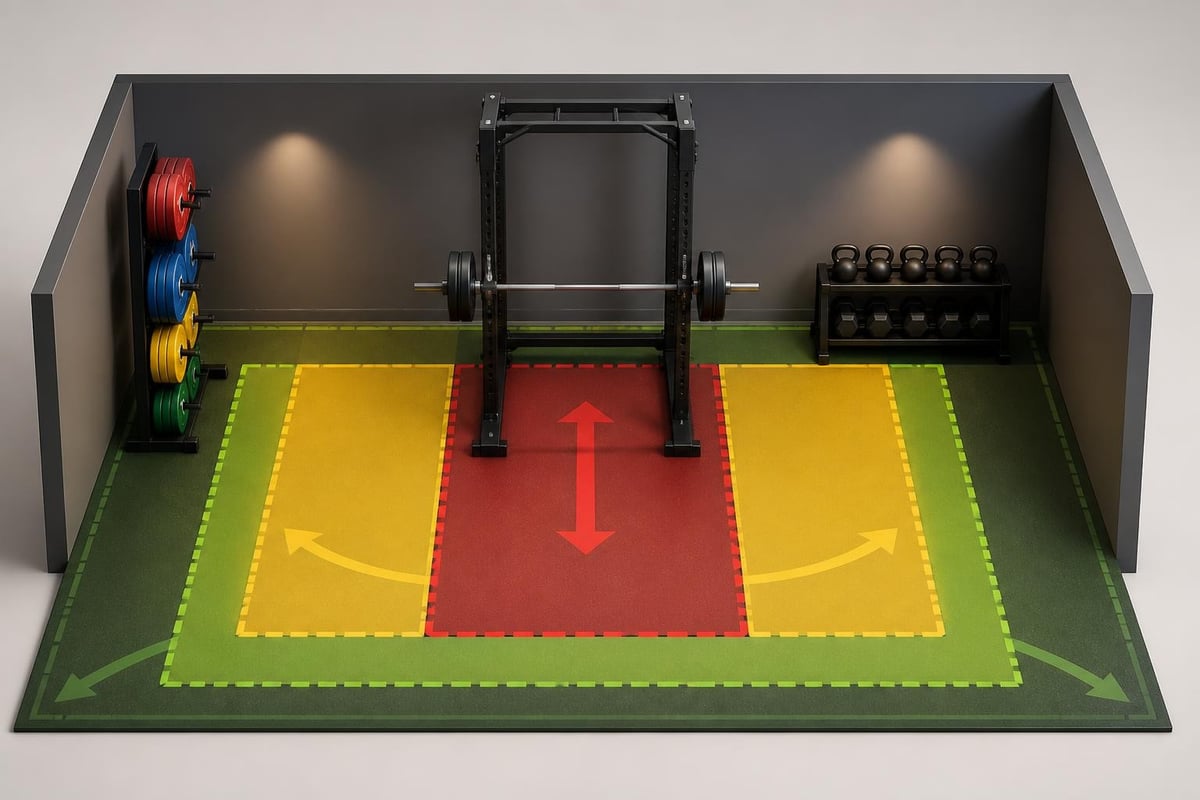
Platform construction provides ideal training surfaces. A basic 8x8 foot platform consists of:
- ¾-inch plywood base layer
- 4x8 foot ¾-inch plywood center section
- Two 2x8 foot sections of ¾-inch rubber stall matting
This configuration costs $150-$250 in materials and protects floors while reducing noise transmission.
Training Programming and Equipment Utilization
Maximizing your fitness gear olympic weight set investment requires structured programming that progressively challenges all major movement patterns. Fundamental exercises build strength across the entire body while developing technique for more advanced variations.
Essential Barbell Movements
The Big Three powerlifting movements form the foundation:
- Squats develop leg and hip strength while building total body stability
- Bench Press targets upper body pressing strength and muscle development
- Deadlifts create posterior chain power and grip strength
Olympic Variations add explosive power development:
- Clean pulls and power cleans
- Snatch variations and overhead squats
- Push press and split jerks
Accessory work with strength training equipment complements barbell training by addressing weak points and muscle imbalances. Combining Olympic weights with resistance bands, cables, and specialized devices creates comprehensive programming.
Progressive Overload Strategies
Systematic strength development requires planned progression. Linear periodization adds 5-10 pounds per week for compound movements, while intermediate lifters benefit from weekly or monthly progression schemes.
Micro-loading with fractional plates enables continued progress when standard 5-pound jumps become challenging. Adding 1-2 pounds per session maintains momentum while reducing injury risk from excessive load increases.
Wave loading and block periodization vary training stress across mesocycles, preventing plateaus while supporting recovery. Pairing heavy barbell work with muscle recovery tools optimizes adaptation and performance gains.
Quality Indicators and Brand Evaluation
Identifying quality fitness gear olympic weight set options requires examining specific construction details and manufacturer standards. Several key indicators separate premium equipment from budget alternatives.
Manufacturing Standards and Certifications
Reputable manufacturers adhere to industry standards and provide detailed specifications. Weight accuracy within 1-2% ensures proper loading and balanced barbell performance. Plate diameter consistency matters for bumper plates, where variations affect lifting mechanics and bar height.
Warranty coverage reflects manufacturer confidence in durability. Barbell warranties ranging from 1-10 years indicate expected lifespan, while plate warranties typically cover manufacturing defects rather than wear from normal use.
User Reviews and Long-Term Performance
Community feedback from experienced lifters provides valuable insights beyond marketing claims. Consistent reports of bearing failure, coating deterioration, or structural issues signal quality concerns worth avoiding.
Training facility and coach endorsements carry particular weight, as commercial environments expose equipment to demanding daily use. Equipment surviving years of high-volume training demonstrates exceptional durability.
Expanding Your Home Gym Ecosystem
A complete training environment extends beyond the basic fitness gear olympic weight set. Strategic additions increase exercise variety and address specific development goals.
Power racks or squat stands enable safe heavy lifting without spotters. Adjustable benches support pressing variations and accessory work. Pull-up bars and dip stations add bodyweight training options that complement barbell movements.
Specialized bars expand exercise possibilities:
- Trap bars for deadlift variations and carries
- Safety squat bars for quad-dominant squatting
- Swiss bars for neutral-grip pressing
- Cambered bars for accommodating resistance
Resistance training accessories diversify stimulus and prevent adaptation plateaus. Combining barbells with bands, chains, and other variable resistance tools creates comprehensive programming options.
Making the Purchase Decision
Finalizing your fitness gear olympic weight set selection involves synthesizing budget constraints, space limitations, training goals, and quality requirements. Creating a prioritized checklist ensures critical factors receive appropriate weight in the decision process.
Must-have features typically include:
- Appropriate total weight for current and near-future strength levels
- Quality barbell construction with adequate tensile strength
- Plate type suitable for training style (iron, rubber, or bumper)
- Secure collar system for safe training
- Reliable warranty coverage
Nice-to-have additions enhance convenience without determining core functionality:
- Color-coded plates for quick identification
- Premium knurling patterns
- Upgraded bearing systems
- Matching storage solutions
- Additional specialty plates
Purchasing from established retailers provides customer service support and straightforward return processes. Direct manufacturer purchases sometimes offer better pricing but may complicate warranty claims or product issues.
Exploring resources like those available through SkyFitNet helps you understand how Olympic weights integrate into broader fitness and wellness strategies. Quality equipment forms the foundation, but comprehensive programming, proper recovery, and consistent effort determine actual results.
Building strength and achieving your fitness goals starts with the right equipment foundation and progresses through dedicated, intelligent training. A quality fitness gear olympic weight set provides decades of reliable service when selected thoughtfully and maintained properly. SkyFitNet helps you train smarter, recover better, and live stronger by providing quality training and wellness essentials designed to support your performance and everyday active lifestyle. Discover how the right equipment and approach can transform your training at SkyFitNet.