

Buy Exercise Equipment: Your 2026 Complete Guide

Making the decision to buy exercise equipment represents a significant investment in your health and fitness journey. Whether you're setting up a home gym for the first time or expanding your existing collection, understanding what to look for and how to make informed choices will ensure you get the most value from your purchase. The fitness equipment market in 2026 offers more options than ever before, from compact resistance tools to sophisticated cardio machines, making it essential to approach your buying decision with clarity and purpose.
Understanding Your Fitness Goals Before You Buy
The most critical step before you buy exercise equipment is defining what you want to achieve. Your fitness objectives directly influence which equipment will serve you best and provide the highest return on investment.
Aligning Equipment with Activity Guidelines
The Official U.S. Physical Activity Guidelines recommend adults get at least 150 minutes of moderate-intensity aerobic activity or 75 minutes of vigorous-intensity activity weekly, plus muscle-strengthening activities on two or more days. When you buy exercise equipment, consider how each piece helps you meet these benchmarks.
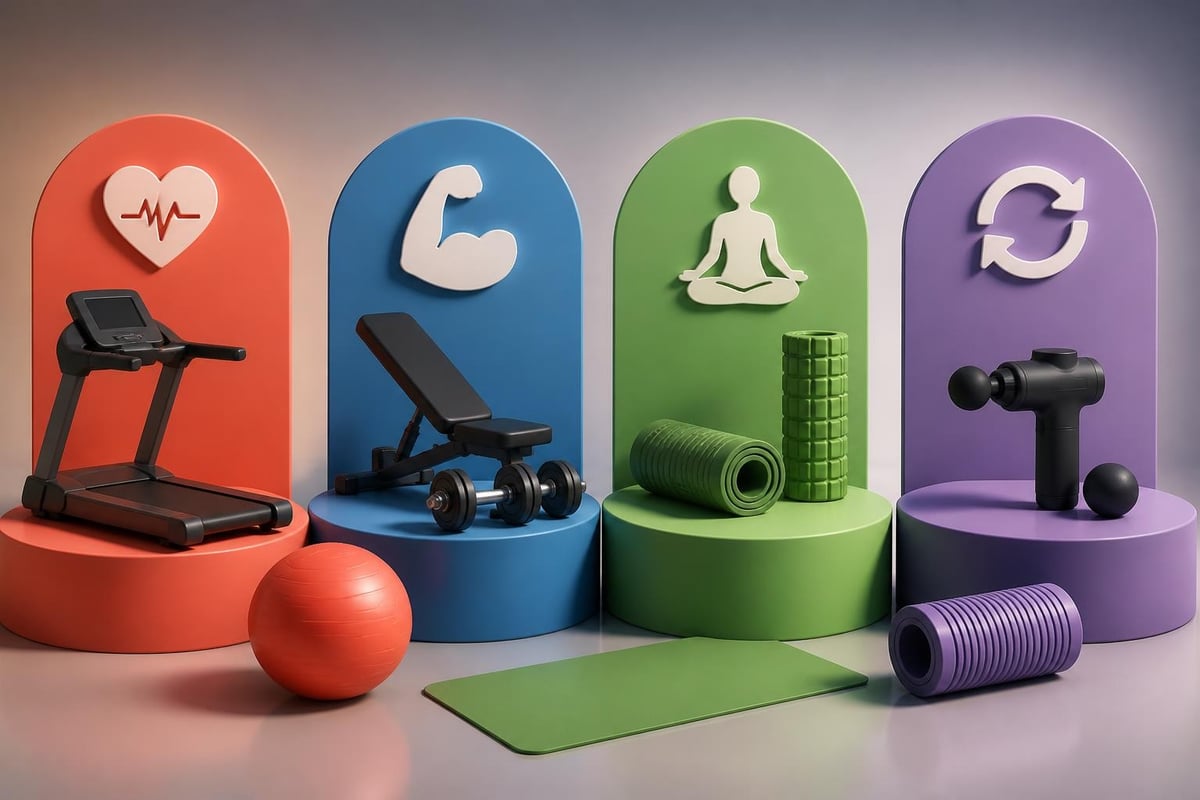
Cardio-focused goals require different equipment than strength-building objectives:
- Treadmills and ellipticals support sustained aerobic work
- Resistance bands and strength trainers build muscle endurance
- Yoga and mobility tools enhance flexibility and recovery
- Combination equipment maximizes limited space
Research shows that home-based exercise programs can be highly effective when supported by appropriate equipment, making your investment worthwhile when matched to your actual needs.
Assessing Your Current Fitness Level
Beginners and advanced athletes require different equipment features. If you're new to structured exercise, buying equipment that's intuitive and adjustable prevents frustration and injury. The home fitness strength collection at SkyFitNet offers scalable options that grow with your capabilities.
Advanced users should prioritize equipment with higher weight capacities, greater resistance ranges, and professional-grade durability. Consider whether the equipment allows progressive overload, a fundamental principle for continued improvement.
Space Planning and Equipment Footprint
Physical space constraints significantly impact which equipment makes sense for your situation. Before you buy exercise equipment, measure your available area and consider both active use space and storage requirements.
Calculating Your Workout Zone
Harvard Health's guide on creating a customized home workout space emphasizes the importance of adequate clearance around equipment for safe movement. A treadmill requires roughly 6 feet by 3 feet of floor space plus clearance, while resistance bands need virtually no dedicated footprint.
| Equipment Type | Minimum Floor Space | Ceiling Height | Storage Option |
|---|---|---|---|
| Treadmill | 6' x 3' | 7-8' | Some fold vertically |
| Elliptical | 5' x 2.5' | 7-8' | Generally fixed |
| Resistance Bands | 6' x 4' (active) | 7' | Drawer or hook |
| Yoga Mat | 6' x 2' | Standard | Rolls or stands upright |
| Adjustable Dumbbells | 3' x 3' | Standard | Rack or shelf |
Compact, versatile equipment delivers exceptional value in limited spaces. The yoga pilates mobility collection includes items that serve multiple functions without monopolizing your living area.
Multi-Use Equipment Strategies
When space is premium, buying equipment that serves multiple purposes maximizes your investment. Adjustable resistance systems, suspension trainers, and modular strength equipment provide variety without clutter. Consider how each piece integrates with others you own or plan to buy.
Budget Considerations and Value Assessment
Setting a realistic budget before you buy exercise equipment prevents overspending and helps you focus on essentials. Quality fitness gear represents a spectrum of price points, and understanding where to invest versus where to save ensures you build an effective setup within your means.
Initial Investment vs. Long-Term Value
High-ticket items like treadmills and ellipticals require careful research. The Consumer Reports treadmill buying guide provides independent testing data on durability, features, and performance that justify different price tiers. Similarly, their elliptical buying guide offers insights on what features deliver real benefits versus marketing hype.
Consider these cost factors when planning to buy exercise equipment:
- Base price of the equipment itself
- Delivery and assembly fees (often substantial for large items)
- Maintenance costs including lubricants, replacement parts, and service
- Subscription fees for connected features or streaming workouts
- Accessories like mats, weights, or attachment systems
Budget-conscious buyers often find excellent value in resistance-based equipment. Items from the recovery muscle care collection provide professional-grade benefits at accessible price points.
Warranty and Return Policies
Before you buy exercise equipment, especially online, review warranty coverage and return options thoroughly. The FTC's online shopping guidance reminds consumers to verify return windows, restocking fees, and who pays return shipping for large items.
Quality manufacturers stand behind their products with warranties that cover:
- Frame and structure (often 5-10 years or lifetime)
- Parts and electronics (typically 1-3 years)
- Labor (1 year is standard)

Essential Equipment Categories to Consider
When you buy exercise equipment, understanding the major categories helps you build a balanced home gym that addresses all aspects of fitness. Most effective setups include elements from at least three categories.
Cardiovascular Training Equipment
Cardio machines form the foundation of many home gyms. Treadmills offer familiar running or walking motion with adjustable intensity. Ellipticals provide low-impact alternatives that protect joints while delivering effective aerobic workouts. Stationary bikes suit those with back concerns or limited space.
Key features to evaluate:
- Motor power and belt size (treadmills)
- Stride length and adjustability (ellipticals)
- Resistance levels and programming options
- Display feedback and metrics tracking
- Noise level and stability
For those prioritizing active lifestyle support, the running active lifestyle collection complements cardio equipment with essential accessories.
Strength and Resistance Training Tools
Strength equipment ranges from simple resistance bands to comprehensive home gym systems. When you buy exercise equipment for strength training, versatility and progression capability matter most.
| Equipment Type | Space Required | Price Range | Versatility | Best For |
|---|---|---|---|---|
| Resistance Bands | Minimal | Low | Very High | All levels, travel |
| Dumbbells (adjustable) | Small | Medium | High | Progressive training |
| Kettlebells | Small | Low-Medium | Medium | Functional strength |
| Cable Systems | Large | High | Very High | Comprehensive training |
| Free Weight Bench | Medium | Medium | Medium | Serious lifting |
The posture everyday mobility collection includes strength tools specifically designed to support functional movement patterns and daily performance.
Mobility and Recovery Equipment
Often overlooked when people first buy exercise equipment, mobility and recovery tools prove essential for sustained progress and injury prevention. Foam rollers, yoga wheels, massage devices, and stretching aids accelerate recovery and enhance flexibility.
Recovery equipment benefits all fitness levels and complements any training program. Items like yoga resistance rubber bands serve dual purposes for both strength work and mobility enhancement.
Quality Indicators and Red Flags
Knowing how to assess equipment quality protects you from disappointing purchases. When you buy exercise equipment, certain features and construction elements signal durability and performance.
Construction and Material Standards
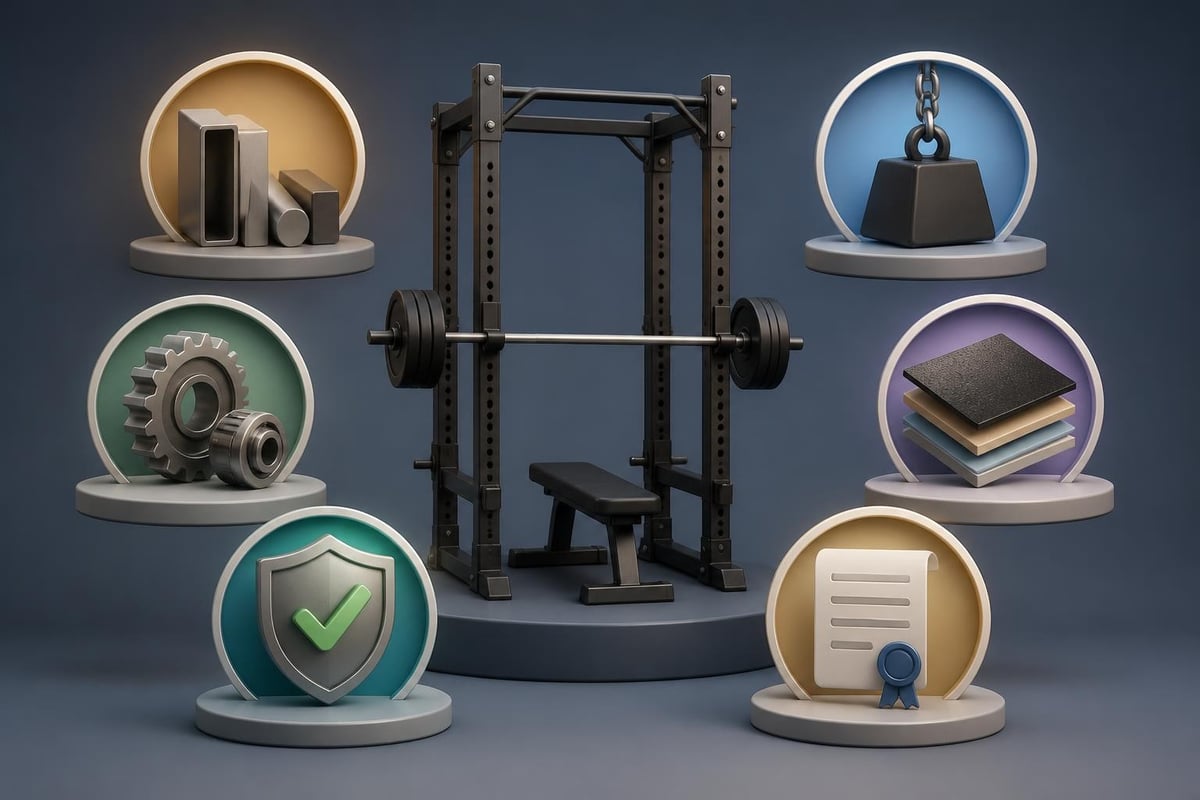
Frame stability forms the foundation of safe, effective equipment. Steel frames outlast aluminum in high-stress applications. Welded connections prove stronger than bolted assemblies. Weight capacity should exceed your bodyweight by at least 50 pounds for safety margin.
Contact surfaces where your body touches the equipment deserve close attention. Foam degradation, vinyl cracking, and rubber deterioration all compromise user experience. High-density foam, commercial-grade vinyl, and quality rubber compounds justify higher prices.
Check for these quality markers:
- Powder-coated or rust-resistant finishes
- Sealed bearings in moving parts
- Thick, stable base construction
- Smooth, quiet operation
- Positive user reviews mentioning longevity
Safety Certifications and Standards
Reputable equipment carries certifications from recognized testing organizations. When you buy exercise equipment, look for compliance with safety standards that protect users and ensure reliable performance over time.
Smart Shopping Strategies for 2026
The fitness equipment market continues evolving with new technologies, business models, and purchasing channels. Modern buyers who plan to buy exercise equipment benefit from strategic timing and informed comparison shopping.
Seasonal Timing and Sales Cycles
Fitness equipment follows predictable sales patterns throughout the year. January brings post-holiday inventory clearance and New Year promotion pricing. Late spring (May-June) sees manufacturers introducing new models, creating discounts on previous versions. November and December feature Black Friday and holiday sales.
Best times to buy exercise equipment:
- January - New Year fitness motivation drives competitive pricing
- May-June - New model releases push previous inventory sales
- Black Friday weekend - Deepest discounts on select items
- End of month - Retailers meeting quotas offer additional deals
Shopping the newest arrival collection lets you evaluate the latest innovations, while the best seller collection highlights proven performers with established track records.
Online vs. In-Store Purchasing
Each buying channel offers distinct advantages. Online shopping provides broader selection, competitive pricing, and convenience. Physical stores allow hands-on testing, immediate questions with sales staff, and sometimes superior return processes for bulky items.
For major purchases, consider a hybrid approach: research and test in-store, then price-compare online. Many retailers price-match if you find identical items cheaper elsewhere. When you buy exercise equipment online, verify shipping costs and assembly requirements before checkout.
Reading Reviews Strategically
Customer reviews provide valuable insights, but require critical evaluation. Look for patterns across multiple reviews rather than focusing on individual experiences. Recent reviews matter more than older ones, as manufacturing and quality control evolve.
Trustworthy review indicators:
- Verified purchase badges
- Detailed descriptions of actual use
- Photos or videos from real users
- Discussion of both positives and limitations
- Reviews spanning several months of ownership
Specialized Equipment for Specific Training Styles
Different fitness philosophies and training methodologies require specialized equipment. When you buy exercise equipment tailored to your preferred training style, you're more likely to maintain consistent use.
Functional Fitness and CrossFit-Style Training
Functional training emphasizes movement patterns that translate to daily activities and athletic performance. Equipment needs include resistance bands, kettlebells, medicine balls, and suspension trainers. The multifunctional fitness strength resistance training tensioner exemplifies versatile tools that support varied functional movements.
Yoga and Mind-Body Practices
Yoga-focused home gyms prioritize mobility, balance, and breathing work. Essential items include quality mats, blocks, straps, bolsters, and wheels. When you buy exercise equipment for yoga, thickness, grip, and material composition significantly impact practice quality.
Products like the massage roller beginner back pilates yoga dharma wheel support both active practice and recovery between sessions.
Rehabilitation and Low-Impact Training
Those recovering from injury or managing chronic conditions need equipment that provides effective training without excessive joint stress. Resistance bands, pool equipment, recumbent bikes, and specialized mobility tools allow progressive strengthening while protecting vulnerable areas.
Maintenance and Longevity Planning
The decision to buy exercise equipment includes committing to proper maintenance that extends lifespan and preserves performance. Well-maintained equipment delivers years of reliable service.
Regular Maintenance Schedules
Different equipment types require specific maintenance protocols. Cardiovascular machines with moving parts need the most attention.
Monthly maintenance tasks:
- Wipe down all surfaces and contact points
- Check and tighten loose bolts or connections
- Vacuum around and under equipment
- Inspect cables, belts, and pulleys for wear
- Lubricate moving parts per manufacturer specifications
Quarterly maintenance tasks:
- Deep clean all components
- Test electronic functions and displays
- Examine structural integrity
- Replace worn grips or padding
- Calibrate resistance systems if applicable
Simple tools like resistance bands and foam rollers require minimal maintenance beyond cleaning and proper storage away from direct sunlight and extreme temperatures.
When to Repair vs. Replace
Understanding equipment lifecycles helps you make informed decisions about repairs versus replacement. When maintenance costs approach 50% of replacement value, replacement often makes better financial sense. However, quality equipment with minor issues usually merits repair.
The hydration workout essentials collection includes accessories that complement and protect your primary equipment investment.
Building Your Equipment Collection Over Time
Most successful home gym owners don't buy exercise equipment all at once. Strategic, phased purchasing allows you to refine your preferences, manage cash flow, and avoid cluttering your space with unused items.
Starter Equipment Priorities
Begin with versatile, space-efficient items that address your primary goals. A quality resistance band set, adjustable dumbbells, and a yoga mat provide remarkable training variety for minimal investment and space.
Phase 1 purchases (Months 1-3):
- Resistance bands in multiple tensions
- Exercise mat
- One cardio option (jump rope, resistance for running, etc.)
Phase 2 additions (Months 4-6):
- Adjustable dumbbells or kettlebells
- Foam roller or mobility tool
- Specialized equipment for your primary training focus
Phase 3 expansion (Months 7-12):
- Major cardio machine if desired and space permits
- Advanced strength equipment
- Recovery and performance optimization tools
This graduated approach lets you assess what you actually use before committing to larger investments. The shop all collection at SkyFitNet provides visibility across categories as you plan your expansion.
Avoiding Common Purchasing Mistakes
First-time buyers often make predictable errors when they buy exercise equipment. Awareness of these pitfalls prevents wasteful spending.
Common mistakes to avoid:
- Buying for aspirational rather than actual use patterns
- Overlooking space and storage realities
- Choosing appearance over functionality
- Ignoring assembly complexity and requirements
- Failing to test equipment before purchase when possible
- Buying everything at once without usage validation
Start with equipment that matches your current habits and demonstrated preferences. Expand based on consistent use and evolving needs rather than theoretical possibilities.
Making informed decisions when you buy exercise equipment sets the foundation for sustained fitness success and ensures your investment delivers lasting value. By carefully considering your goals, space, budget, and training preferences, you can build a home gym that truly supports your wellness journey. SkyFitNet offers a comprehensive range of quality training, recovery, mobility, and wellness essentials designed to help you train smarter, recover better, and live stronger-browse their collections to find equipment that matches your specific needs and performance goals.